Semana Santa Seville local experience is pure emotion.
Some links in this guide are affiliate links — if you book through them we may earn a small commission at no extra cost to you. It never changes what we recommend. Full disclosure.
To truly understand the soulful reverence of Seville at Easter, embracing the Semana Santa Seville local experience isn’t just about watching a procession. It’s about feeling the deep, collective emotion that transforms the city. Many visitors expect a grand spectacle, a simple parade, but the reality is far more profound: an intimate connection to centuries of tradition and faith pulsing through the narrow streets. This guide helps you move beyond surface-level viewing, truly engaging with Seville’s spiritual heartbeat.
Quick Answer: Experiencing Semana Santa Seville
To immerse yourself in Seville’s Semana Santa as a local, prepare for seven intense days (Palm Sunday to Easter Sunday). Watch over 60 brotherhoods process through the city with elaborate floats (pasos) and penitents (nazarenos), often from early afternoon until deep into the night, especially during La Madrugá on Holy Friday.
The Heart of Semana Santa: Understanding the Processions
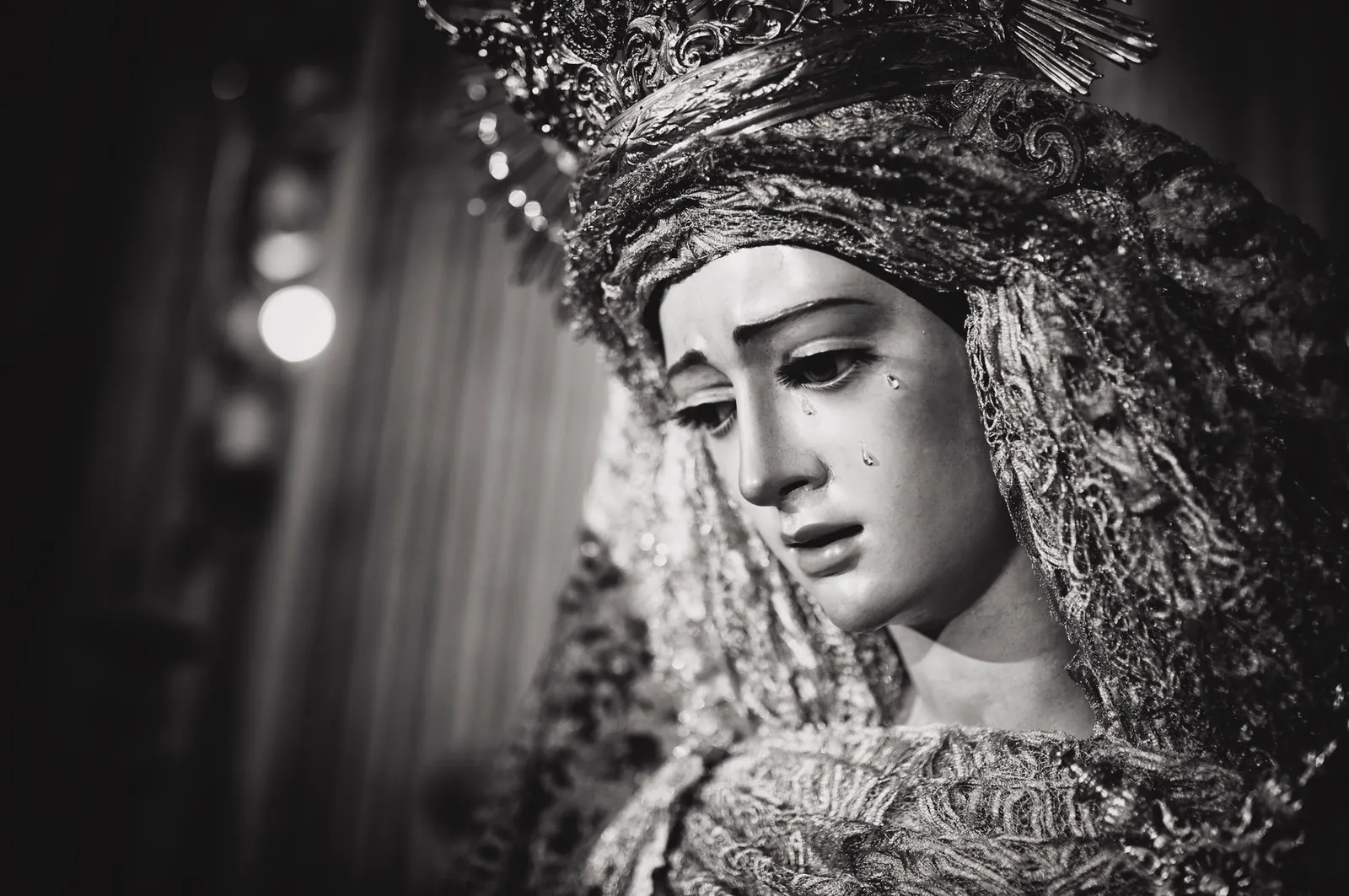
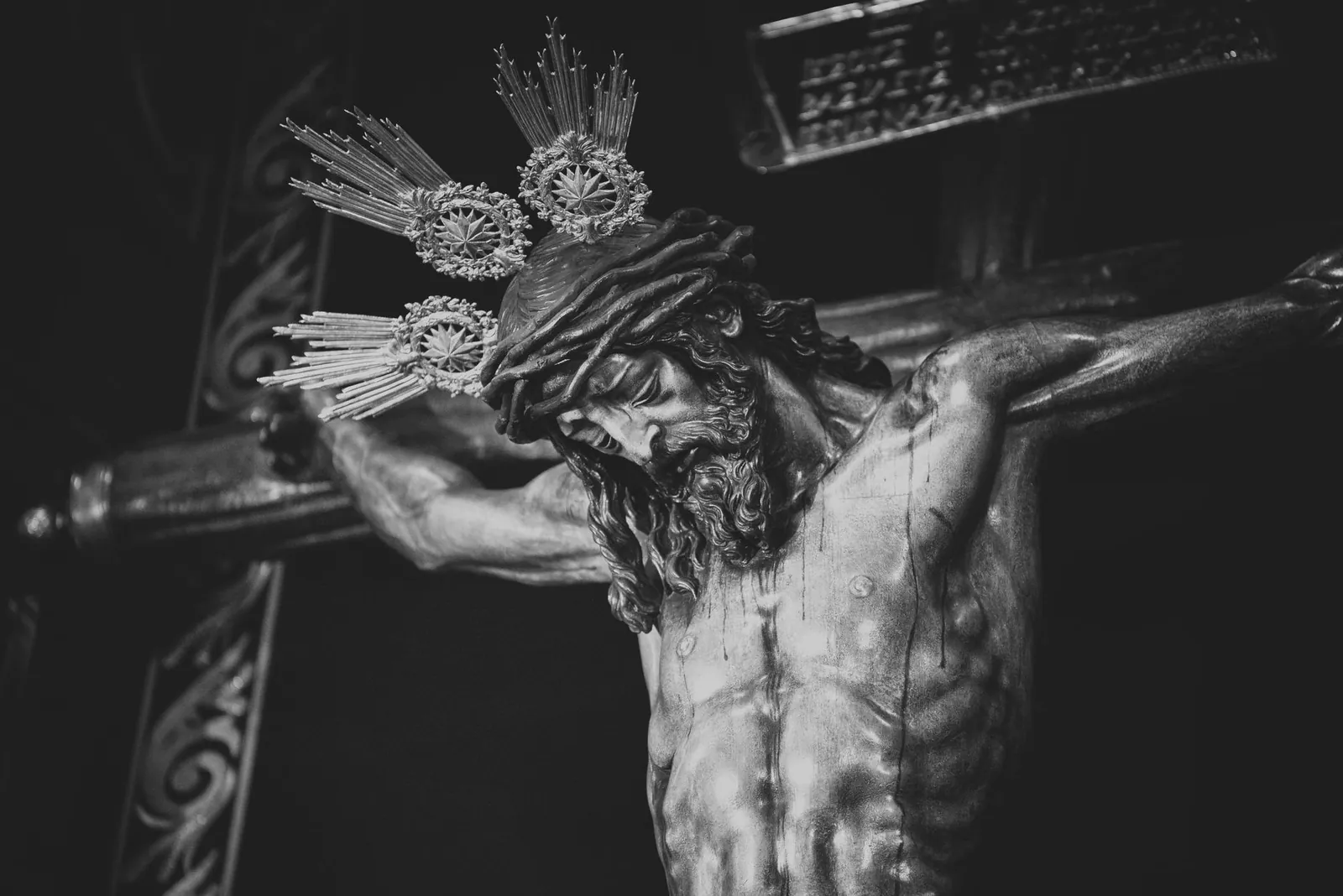
Semana Santa in Seville unfolds over seven days (Palm Sunday to Easter Sunday), with daily processions. These deeply emotional displays of faith and community often run from early afternoon well past midnight. Not merely parades, they are solemn acts of public penitence. Brotherhoods (hermandades or cofradías) carry immense, often centuries-old sculptural representations of Christ’s Passion and the Virgin Mary’s Sorrows through the streets. Each has unique history, colors, and rhythm, making every procession distinct.
You’ll witness the pasos—the floats themselves, works of art, some weighing over two metric tons. Beneath them, costaleros (up to 50 men) carry the immense weight on their necks, hidden by draping cloth. Their synchronized steps, guided by a foreman (capataz) tapping a hammer (llamador), create a mesmerizing, swaying movement. Hear “¡Ole!” from the crowd as a difficult turn or powerful float moment is expertly navigated.
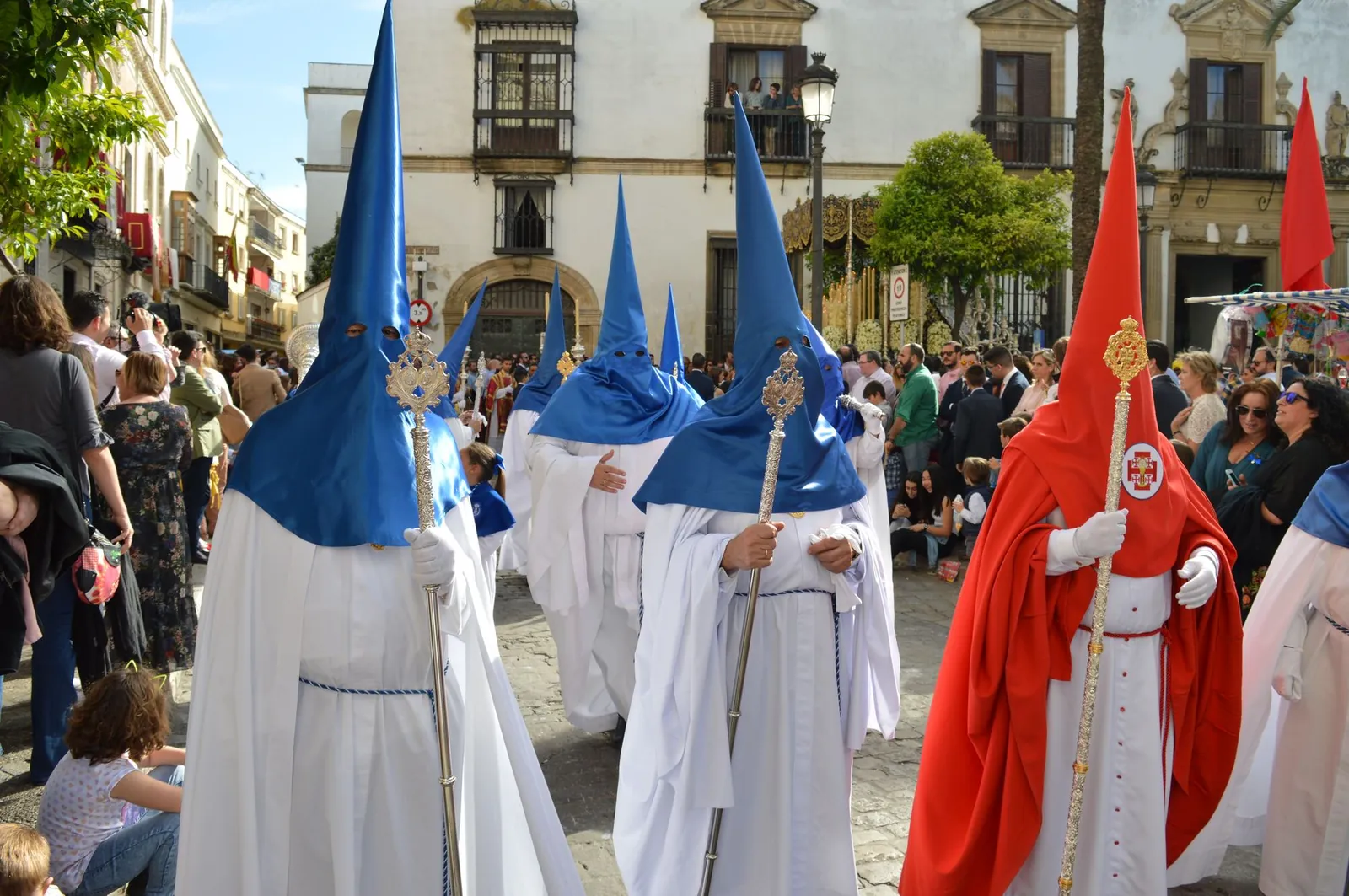
Accompanying the pasos are the nazarenos: penitents dressed in tunics, capes, and distinctive pointed hoods (capirotes). These hoods cover their faces, symbolizing humility and anonymity. Colors vary by brotherhood—from stark white to deep purple, black, or blue—each with its own symbolism. Many nazarenos walk barefoot; some carry heavy wooden crosses or chains as penance. A single brotherhood’s procession is long, taking 4-7 hours to complete its route from its home church through the official route (Carrera Oficial), which includes Calle Sierpes, Plaza de San Francisco, and Avenida de la Constitución, before returning.
Semana Santa dates shift annually based on the lunar calendar (late March or early April). For 2025, it’s Sunday, April 13th (Palm Sunday) to Sunday, April 20th (Easter Sunday). Planning around these dates is critical, as procession intensity and type change daily. Knowing the schedule helps prioritize which brotherhoods to see—some renowned for artistry or historical significance. This deep immersion unlocks the true essence of Semana Santa in Seville.
Navigating the Streets: Your Practical Guide to Watching
To navigate Seville’s packed streets during Semana Santa and secure a good viewing spot, you’ll need a precise daily procession schedule. With 6-9 brotherhoods passing through the Carrera Oficial, early planning (by 14:00) is essential for popular routes. The city swells with visitors and locals, making movement slow and challenging. Don’t expect to wander and find an empty spot for a major procession, especially for revered brotherhoods.
Here are crucial tips for a local-like experience:
- Get the Official Schedule: Your most important tool is the “Guía de Horarios e Itinerarios,” published by the Consejo de Hermandades y Cofradías. Find free pocket versions at tourist offices or kiosks, or purchase a detailed one. It lists every brotherhood’s departure and return times, plus exact routes and estimated timings at key points.
- Plan Your Route in Advance: Decide which processions to see and where. For slightly less dense crowds, aim for routes outside the Carrera Oficial, though these areas are still very busy. Alternative spots include areas near home churches or less central streets on outbound or return journeys.
- Arrive Early: For popular sections, arrive at least 1-2 hours before the procession passes. For La Madrugá, which starts Thursday night and continues into Friday morning, people secure spots hours before midnight, often with folding chairs.
- Learn to “Cross” a Procession: If you need to cross the city during a procession, you cannot simply walk through it. Look for designated crossing points, usually managed by local police or civil protection volunteers, often at major intersections. Be patient, wait for a gap, and move quickly when signaled. Always ask “¿Se puede cruzar?” (Can one cross?).
- Wear Comfortable Shoes: You will do a lot of walking and standing. Seriously, prioritize comfort over style.
- Pack Light: A small bag with water, perhaps a snack, and your schedule is ideal. Leave valuables at your accommodation.
- Identify Key Brotherhoods: For a deep emotional experience, try to see El Gran Poder, La Macarena, La Esperanza de Triana, or El Cristo de los Gitanos, especially during their late-night return to home churches. These moments often feature spontaneous singing (saetas) and intense devotion. If staying in Triana, exploring finding best tapas Triana Seville combines cultural viewing with culinary breaks.
Beyond the Processions: Experiencing the City’s Pulse
Beyond formal processions, truly experiencing Semana Santa means tuning into Seville’s transformed atmosphere. Incense and orange blossom fill the air, and impromptu moments of reverence—like a saeta sung from a balcony—occur spontaneously, offering a unique emotional connection. In these quieter, less structured moments, you often find the festival’s profound local heart. The city doesn’t just watch; it lives and breathes Semana Santa.
Notice details: hushed conversations as a procession approaches, respectful silence as a paso rounds a corner, or emotional cries of “¡Guapa, guapa!” (Beautiful!) for the Virgin Mary. The air feels different—heavy with incense smoke, sweet orange aroma, and lingering beeswax candles carried by thousands of penitents. These aren’t just sensory details; they are integral to the atmosphere, evoking history and tradition.
Listen for distinct sounds: rhythmic drumming and haunting trumpets of marching bands, the shuffle of hundreds of feet, solemn church bells, and occasionally, the spine-tingling sound of a saeta. A saeta is a traditional, unaccompanied flamenco-style song of devotion, often sung spontaneously from a balcony as a paso passes. These raw, powerful expressions of faith can bring entire crowds to a standstill. To understand more about this aspect of Andalusian culture, exploring Seville’s Flamenco scene provides context.
Locals make time for food and rest. Processions are long, intensity high. You’ll see Sevillanos ducking into traditional bars and cafes for quick bites—a bocadillo, pescaíto frito, or sweets like torrijas (Spanish French toast), especially popular during Lent and Semana Santa. These standing-room-only places offer reprieve and a chance to refuel. Do the same; it’s part of the day’s rhythm. Embrace the slower pace between processions, observe, and let the city’s unique ambiance wash over you. This deep immersion unlocks the true essence of this powerful event, transforming it from a spectacle into a shared spiritual journey.
The Schedule is Your Bible: A Day-by-Day Overview
Successfully planning your Semana Santa viewing hinges on the official daily schedule: the “Guía de Horarios e Itinerarios.” Published by the Council of Brotherhoods and Confraternities, it details 60+ processions’ routes and timings for each day (Palm Sunday to Easter Sunday), starting around 15:00. This indispensable guide allows strategic positioning for specific brotherhoods or key moments.
The schedule will list, for each day:
- The name of each brotherhood (e.g., La Macarena, El Gran Poder).
- Their departure time (salida) from their church.
- Their entry time (entrada) back into their church.
- Estimated times when they will pass specific points along the Carrera Oficial (e.g., entrance to Calle Sierpes, exit from Avenida de la Constitución).
- The order of the procession (which brotherhood follows which).
Understanding this helps you plan your day: see an early afternoon procession, grab food, then move for an evening one, avoiding being stuck where no processions pass. The most intense night is La Madrugá (Holy Thursday into Holy Friday), seeing Seville’s most revered brotherhoods like El Gran Poder and La Macarena process through the night. This profound, crowded, and emotionally charged experience demands you secure your spot hours beforehand and prepare for a long vigil.
| Brotherhood | Departure Time (Church) | Carrera Oficial Entry (Sierpes) | Cathedral Exit | Return Time (Church) |
|---|---|---|---|---|
| La Paz | 13:00 | 14:00 | 16:00 | 22:30 |
| La Hiniesta | 15:00 | 16:30 | 18:30 | 00:00 |
| San Roque | 16:30 | 17:30 | 19:30 | 01:00 |
| La Estrella | 17:00 | 18:00 | 20:00 | 02:00 |
This table tells you that if you want to see La Paz enter the Carrera Oficial, you need to be in the Calle Sierpes area by 14:00. If you then want to catch La Estrella’s departure from its church, you’d head there around 17:00, or later to see it pass through the official route. This kind of precise planning is how locals maximize their experience. While exploring Seville, consider its unique identity, a key element in understanding why Seville captured my affection.
The Unseen Costs and Challenges: What to Prepare For
Prepare for significant practical challenges: massive crowds (up to one million people), hours of standing along routes, and higher accommodation costs. Central hotels can reach €200-€400 per night if not booked 6-12 months in advance. Seville transforms into a bustling, sometimes overwhelming, city this week; managing expectations is crucial for a positive experience.
The sheer number of people means public transport, though running, can be very slow or rerouted due to blocked streets. Buses often cannot access the city center, and taxis are difficult to find, especially at peak times. Walking is often your best, and only, option. Distances feel longer navigating dense crowds.
Most street viewing spots are free but require patience and early arrival. For a guaranteed clear view, chairs can be rented along the Carrera Oficial. Managed by the Council of Brotherhoods, these usually cost €70-€150 for the week but are sold locally by subscription, almost impossible for visitors. Balconies overlooking the Carrera Oficial rent for thousands of euros weekly and are rarely available to tourists. My honest advice: embrace the free street-side experience; it’s more authentic, albeit more challenging.
Travel and lodging costs escalate dramatically. Booking train tickets via Renfe or flights well in advance is essential for price and availability. Hotels book fully months ahead, with prices double or triple usual rates. Expect €180-€350 per night for a moderately comfortable central hotel if secured a few months out. For best prices, book Seville accommodation 9-12 months in advance. Eating out may also see slight price increases or longer waits. To feel local culture, consider exploring Seville tours focusing on history or culinary traditions before daily processions.
Lastly, be aware of the weather. Semana Santa often falls in spring, meaning days can be warm (18-25°C) and sunny, but evenings can still be cool (10-15°C). Dress in layers, stay hydrated, and be prepared for long days on your feet. While physically demanding, the emotional reward of witnessing this profound tradition is immeasurable.
Common Questions About Semana Santa in Seville
Is Semana Santa in Seville suitable for families with children?
Yes, many families with children attend Semana Santa in Seville, but it requires careful planning; the crowds can be overwhelming, and children may find the long waiting times or solemn atmosphere challenging, especially for late-night processions, so aiming for daytime processions in less congested areas is advisable.
Do I need to buy tickets to see the processions?
No, you do not need tickets to see the majority of the processions; viewing from the street is free, though it requires arriving early to secure a good spot, especially along the Carrera Oficial, where rental chairs are primarily for local subscribers and rarely available to visitors.
What is the best day to experience Semana Santa?
For the most intense and iconic experience, Holy Friday’s “La Madrugá” (starting Thursday night) is considered the peak, featuring Seville’s most revered brotherhoods; however, for a broader and less overwhelming experience, Palm Sunday or Holy Monday offer a good introduction to the processions.
What should I eat during Semana Santa in Seville?
During Semana Santa, locals enjoy traditional Lenten dishes like torrijas (fried bread soaked in milk and honey), bacalao (codfish prepared in various ways), and sweets such as pestiños (sesame-fried pastries), all readily available in bakeries and bars.
Semana Santa in Seville is an experience transcending mere observation, demanding your presence and inviting you into a world of profound tradition and raw emotion. It’s a challenging but deeply rewarding journey into the soul of Andalusia, leaving you with memories resonating long after the last candle is extinguished and streets return to their everyday rhythm. To appreciate other aspects of this region, consider which city truly captures your soul.
About the Author
After 15 years living and traveling across Spain, Caro knows this country in a way most travel writers never will. She’s not here to sell you a polished version of Spain, she’s here to show you the real one. Every guide on this site comes from her own experience: the restaurants she eats at, the routes she walks, the festivals she’s actually attended. She writes to cut through the noise and give you what actually matters. Learn more about Caro →