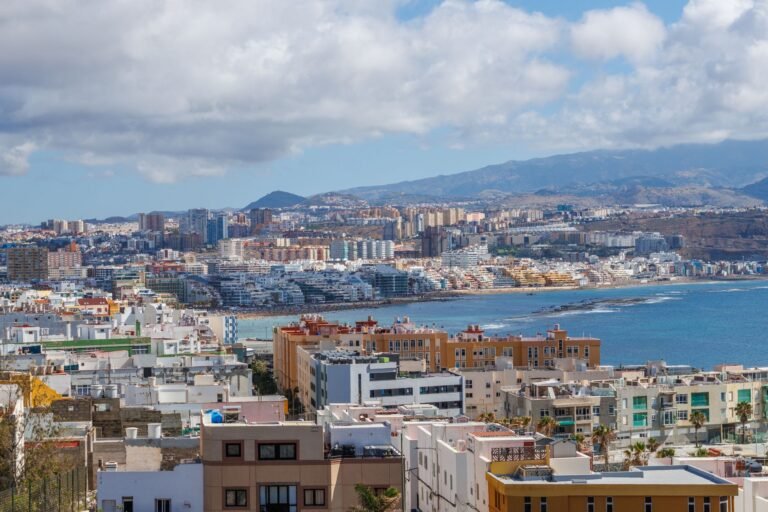
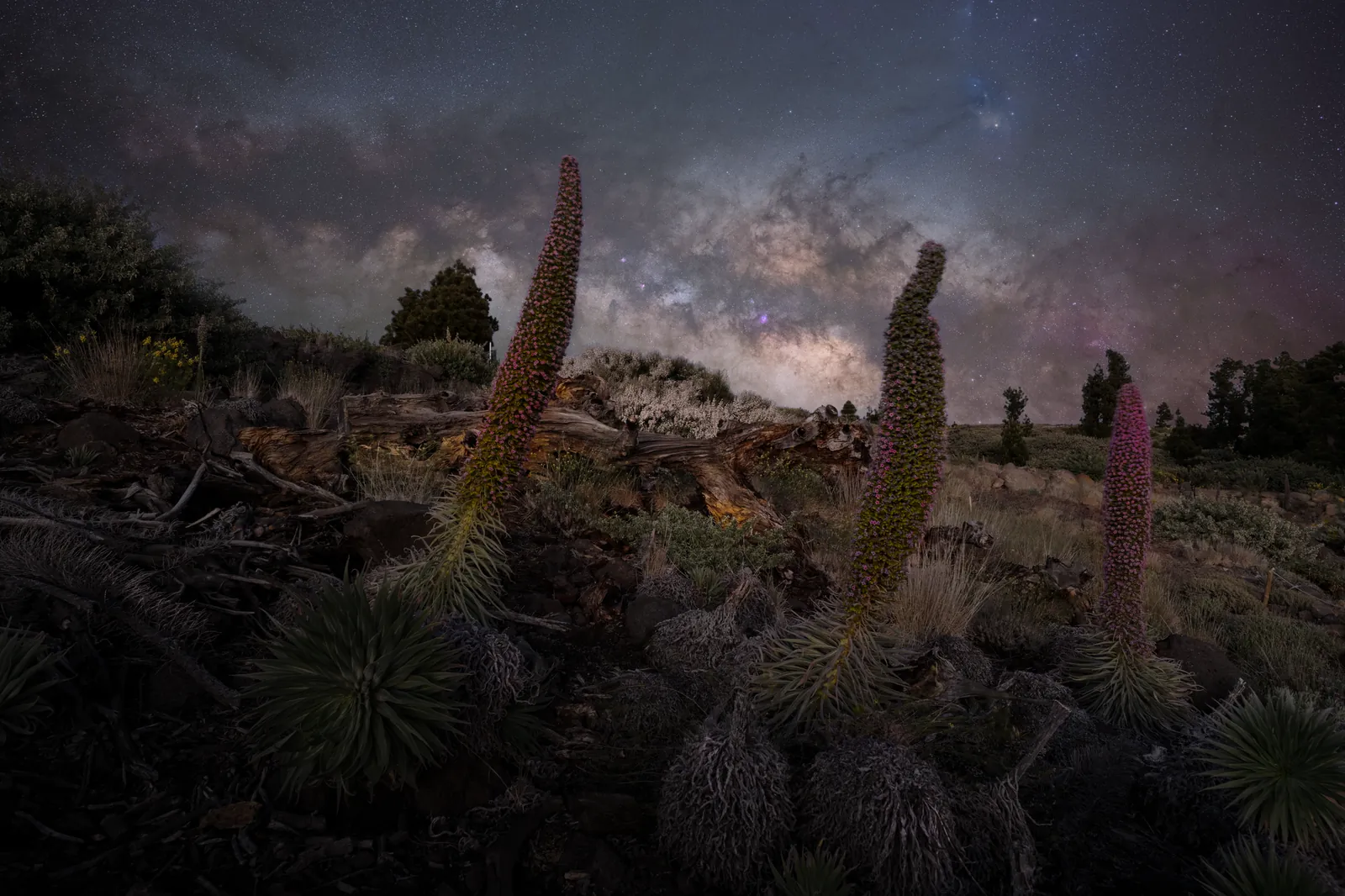
Tenerife stargazing experience illuminates the Canary sky.
Some links in this guide are affiliate links — if you book through them we may earn a small commission at no extra cost to you. It never changes what we recommend. Full disclosure.
You probably think of Tenerife for its sun-drenched beaches, dramatic cliffs, and perhaps even the peak of Teide itself, piercing through the clouds. What many visitors don’t realize, though, is that the island offers an unparalleled tenerife stargazing experience that transforms your view of the night sky entirely. Far from the lively resorts, the island’s higher altitudes and protected landscapes reveal a cosmic spectacle, pushing aside any preconceived notions of what a Canary Islands holiday truly means. This guide cuts through the noise, showing you exactly how to tap into this celestial wonder, from choosing the right tour to venturing out on your own under some of the clearest skies you’ll ever see.
Quick Answer: Tenerife Stargazing
Tenerife is an exceptional destination for stargazing, primarily due to its designation as a UNESCO Starlight Reserve and its location within the Teide National Park, which offers high altitude and minimal light pollution. The island’s skies are considered among the top three in the world for astronomical observation, alongside Chile and Hawaii, making it a prime spot to witness celestial phenomena.
Why Tenerife’s Sky is Special for Stargazing
Tenerife has an internationally recognized sky quality, formally protected as a Starlight Reserve, meaning its low light pollution levels and atmospheric conditions provide an unparalleled view of the cosmos. This unique status, combined with the island’s high altitude, ensures that you can see stars with a clarity and abundance rarely found elsewhere. The peak of Mount Teide, specifically, offers observation points reaching over 2,000 meters above sea level, placing you above most of the atmospheric turbulence and cloud cover that obscure views at lower elevations.
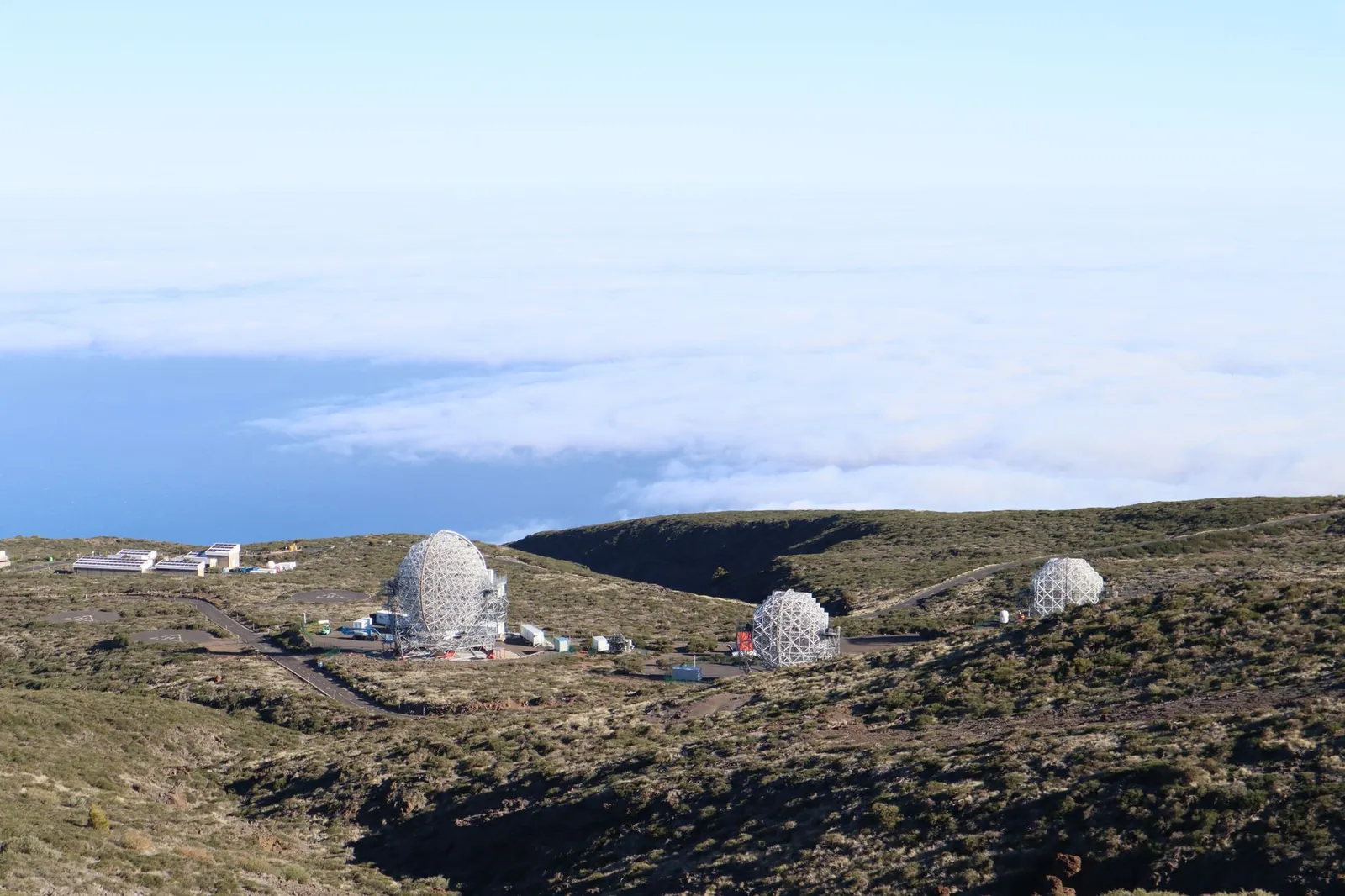
The science behind Tenerife’s incredible sky quality isn’t just about height; it’s also about its geographic isolation and the “sea of clouds” phenomenon. Moist trade winds, pushed by the Atlantic, condense into clouds at around 1,000 to 1,500 meters, forming a natural barrier that traps humidity and light pollution below the Teide National Park. This leaves the higher elevations with exceptionally dry, clear air, perfect for stargazing. The Izaña Atmospheric Research Centre and the Teide Observatory, situated within the park, aren’t just for scientific research; they are a testament to the supreme conditions found here. The observatory itself is one of the world’s most important astronomical complexes, operating a range of solar and nocturnal telescopes.
What does this mean for your experience? It means you won’t just see a few bright stars; you’ll witness the Milky Way stretching across the sky, constellations so sharp you’ll feel like you could reach out and touch them, and planets shining with remarkable intensity. It’s a completely different perspective than stargazing from a city or even a relatively dark rural area. The sheer density of visible stars can be overwhelming in the best possible way, offering a profound connection to the universe. This isn’t merely a pretty view; it’s an immersive dive into the vastness of space, making it a compelling reason to visit Tenerife beyond its sunshine and beaches.
Choosing Your Tenerife Stargazing Tour
Most guided stargazing tours in Tenerife range from approximately €45 to €180 per person, typically lasting between 3 to 8 hours depending on inclusions like sunset views, dinner, or cable car access. These tours often provide transport from various pick-up points across the island, making the logistics of reaching the remote Teide National Park much simpler for you. You won’t have to worry about navigating winding mountain roads in the dark or finding suitable parking spots.
When selecting a tour, consider what kind of experience you’re looking for. Some tours focus purely on astronomical observation, providing professional telescopes and expert guides who can point out constellations, planets, and nebulae with precision. Others incorporate a sunset viewing from Teide before the stargazing begins, allowing you to witness the spectacular colour changes over the “sea of clouds” as the sun dips below the horizon. These sunset and stars tours often include a basic meal, like a picnic or a hot dinner, making it a more complete evening experience. If you’re interested in a deeper dive into the astronomical wonders, look for options that explicitly mention high-powered telescopes and a focus on scientific details.
For those seeking a more exclusive or photography-focused outing, there are smaller group tours designed specifically for astrophotography, where guides assist you with camera settings and teach techniques for capturing the night sky. These can be pricier but offer a unique opportunity to return with professional-quality images. Finally, some tours even include a return trip via the Teide Cable Car (Teleférico del Teide) for those who want to ascend higher up the volcano, though this specific cable car option for stargazing is less common and often depends on weather and operational hours. Be sure to compare what’s included in each package, such as warm clothing provision, types of telescopes, and the level of expert guidance, as these can vary significantly.
Here’s a quick comparison of typical tour offerings and approximate costs:
| Tour Type | Approx. Duration | Starting Price (EUR) | Key Inclusions |
|---|---|---|---|
| Basic Stargazing | 3-4 hours | €45-€65 | Transport, guide, basic telescope/binoculars |
| Sunset & Stars | 5-6 hours | €75-€100 | Transport, sunset view, dinner/picnic, guide, telescopes |
| Cable Car & Stars | 6-8 hours | €110-€150 | Transport, cable car ticket (one way up, walk down or specific down time), guide, telescopes |
| Astrophotography | 4-5 hours | €140-€180 | Transport, photography guidance, professional equipment setup |
Considering the varying options, I typically recommend the Sunset & Stars tours for most visitors. They offer a balanced experience, combining the visual spectacle of a Teide sunset with dedicated stargazing, without being overly long or specialized. You can explore tours that fit your preferences and budget, ensuring a memorable evening under the stars. And if you’re venturing across the islands, discovering other unique flavors like falling for papas arrugadas Gran Canaria offers a different kind of local experience.
Self-Guided Stargazing: Planning Your Own Adventure
While guided tours offer convenience and expert insight, embarking on a self-guided stargazing journey in Tenerife is entirely possible and deeply rewarding, but it demands careful planning and essential gear. The key is to drive into Teide National Park, find a designated viewpoint or a safe pull-off area, and prepare for cold, dark conditions. One of the more accessible yet still effective spots is the area around the Roques de García, where several parking areas allow you to set up your equipment away from main thoroughfares, though you’ll need to respect park regulations and avoid damaging the fragile environment.
To make the most of your independent stargazing, you’ll need to pack smartly. The temperature difference between the coast and Teide National Park at night can be extreme, often dropping below 0°C even in summer, so warm clothing is paramount. Beyond staying warm, a few other items are non-negotiable for a safe and successful trip:
- Warm Layers: Think thermal base layers, a fleece, a heavy winter jacket, gloves, a hat, and thick socks. You will feel the cold more acutely when standing still for extended periods.
- Red-Light Headlamp or Torch: White light ruins your night vision and is disruptive to others. A red-light torch preserves your dark adaptation, crucial for seeing faint objects.
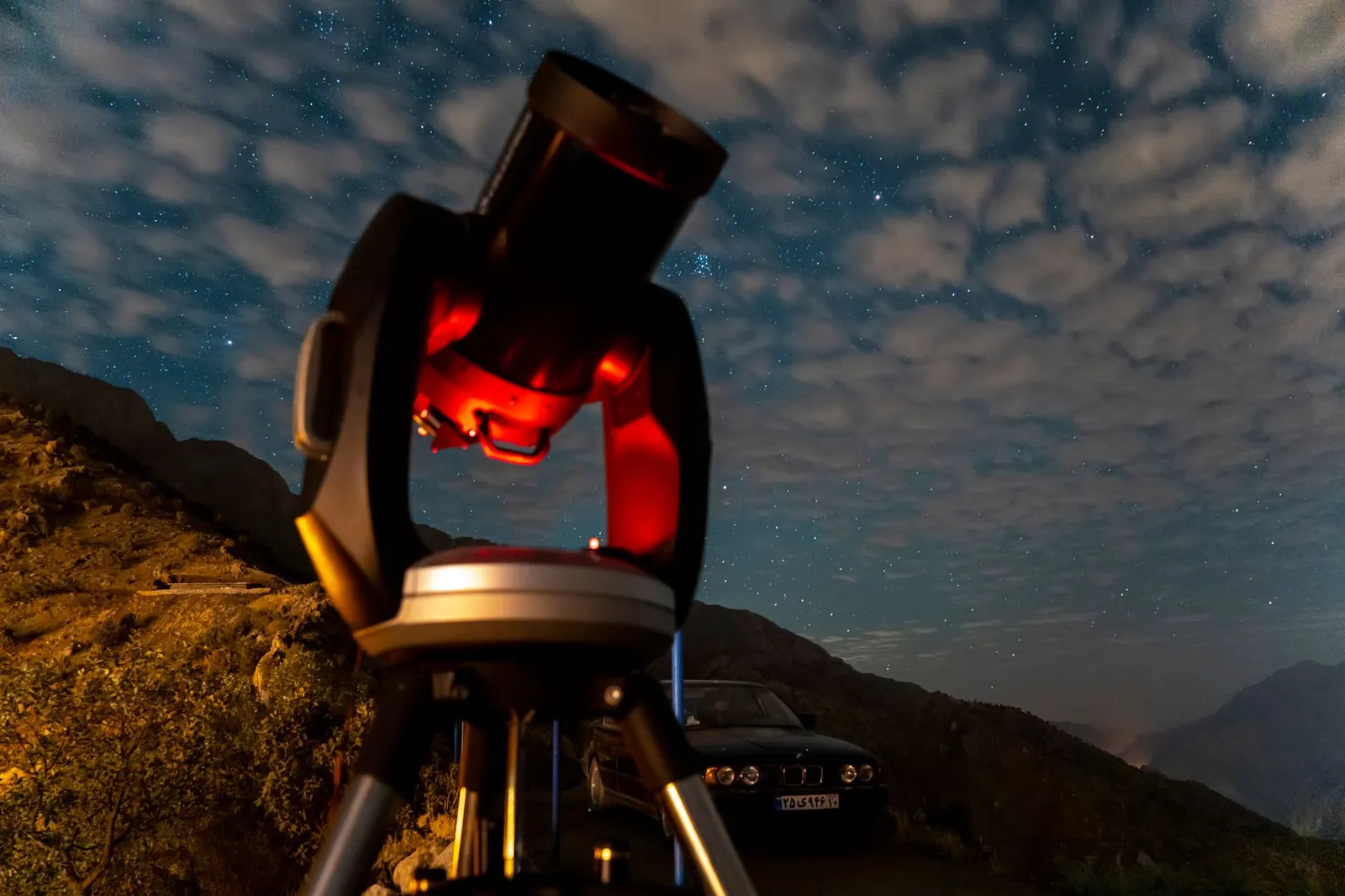
- Binoculars or a Telescope: Even a modest pair of binoculars (e.g., 10×50) will significantly enhance your view of the Moon, planets, and brighter deep-sky objects. For serious observers, a portable telescope can open up even more wonders.
- Folding Chair or Blanket: Stargazing involves a lot of looking up, so a comfortable way to sit or lie down will make your experience much more enjoyable.
- Water and Snacks: Especially important if you’re staying out for several hours. High altitude can dehydrate you faster.
- Charged Phone and Power Bank: For emergencies, navigation, and using stargazing apps to identify objects. There’s limited signal in some areas.
- Road Map or Offline GPS: While Google Maps works, having a physical map or offline GPS can be a lifesaver in areas with spotty signal.
Before you go, check the weather forecast specifically for the altitude of Teide National Park – not just the coastal areas. Clear skies are essential, and strong winds can make the experience uncomfortable. Aim for nights around the new moon for the darkest skies, avoiding full moon periods when its brightness can wash out fainter stars. Always inform someone of your plans, especially if you’re venturing out alone. Remember, the park is a natural preserve; leave no trace behind and dispose of all rubbish responsibly. The effort of planning is certainly worth it to experience the night sky in such an incredible setting.
Practical Tips for Your Stargazing Experience
For any Tenerife stargazing experience, whether guided or self-planned, you should book your tour at least 2-4 weeks in advance, particularly during peak tourist seasons (June to September and around holidays) to secure your spot. This foresight prevents disappointment, as popular tours often sell out quickly. Checking the specific weather forecast for Teide National Park on the day of your planned outing is also non-negotiable; coastal weather rarely reflects the conditions at 2,000+ meters.
One of the most crucial pieces of advice is to dress for extreme cold, even if it’s warm at sea level. Temperatures in Teide National Park can drop significantly after sunset, often feeling like winter regardless of the calendar month. Layers are your best friend: start with thermals, add a warm fleece or jumper, and top it with a windproof and insulated jacket. Gloves, a warm hat, and thick socks are equally vital to prevent discomfort from the cold. Many tours do not provide extensive warm clothing, so it’s your responsibility to be prepared.
Altitude sickness can be a concern for some visitors, as Teide National Park sits at over 2,000 meters. Symptoms might include headaches, dizziness, or nausea. To minimize risk, try to stay hydrated throughout the day and avoid strenuous activity immediately before heading up. If you’ve just arrived on the island, it’s often better to give yourself a day or two to acclimatize at sea level before ascending to such heights. Listen to your body, and if you feel unwell, inform your guide or descend to a lower altitude if you are self-driving.
Here are some additional tips to ensure a smooth and memorable evening:
- Eat Before You Go: Many tours include snacks or light meals, but it’s always a good idea to have a substantial meal beforehand, especially if your tour starts late.
- Camera Settings: If you’re bringing a camera for astrophotography, a sturdy tripod is essential. Experiment with long exposure settings (e.g., 20-30 seconds, ISO 1600-3200, widest aperture) and manual focus to infinity.
- Respect the Darkness: Avoid using bright phone screens or white-light torches, as these spoil your night vision and that of others. Use a red-light torch if you need illumination.
- Patience is Key: Give your eyes at least 15-20 minutes to adjust to the darkness; you’ll see much more once fully accustomed.
- Best Seasons: While clear skies are possible year-round, the period from late spring to early autumn (May to October) generally offers more stable weather and warmer temperatures at night. Winter can bring colder temperatures but often very crisp, clear skies.
- Check Moon Phases: For the darkest skies and best views of faint objects like the Milky Way, plan your visit around a new moon. A full moon, while beautiful, can wash out dimmer stars.
Preparing thoroughly will help you immerse yourself fully in the beauty of Tenerife’s night sky. If you enjoy unique outdoor experiences, I highly recommend hiking volcanic trails Tenerife, which offers a different perspective of the island’s geology.
Beyond Teide: Other Dark Sky Spots on Tenerife
While Teide National Park is undeniably the prime location for stargazing in Tenerife due to its protected status and high altitude, the island offers other less-visited spots that can still provide a wonderful, albeit slightly less intense, celestial show. These alternatives are often more accessible for those not wishing to venture quite so high or into the heart of the national park, providing a quieter experience away from potentially larger tour groups. Expect to still find a significant reduction in light pollution compared to the coastal resorts, with the added benefit of different vantage points for the horizon.
One such area is the Teno Rural Park in the northwest of the island. While its famous Masca Gorge is often associated with hiking during the day, the surrounding areas, especially along the winding roads leading to isolated hamlets, offer surprisingly dark skies. You’ll need to navigate narrow, often challenging roads, but the reward is a sense of solitude and expansive views of the western sky. Be aware that services here are extremely limited, so bring everything you need. The drive itself, particularly approaching from Buenavista del Norte, offers glimpses into a wilder, rugged Tenerife.
Another option is the region around Anaga Rural Park in the northeast. This ancient laurel forest area, a UNESCO Biosphere Reserve, is known for its mystical landscapes and dense vegetation. While the dense forests might limit your sky view in some spots, higher points and clearings, especially those overlooking the ocean, can provide dark conditions away from urban glow. Roads like the TF-12 offer several viewpoints where you can pull over safely and enjoy the stars. The light pollution here is primarily from Santa Cruz and La Laguna, so orienting yourself north or east can provide clearer views.
Consider also the lesser-known southern slopes of Teide, outside the national park boundary but still at a good elevation. Villages such as Vilaflor, Spain’s highest village, offer a decent compromise. While they have some local light pollution, it’s minimal compared to the coast, and you’re still significantly elevated. The access roads are generally easier here, and you might even find small rural accommodations if you wish to extend your stay. These spots provide a good balance for those who want a taste of the dark sky without the full commitment to the Teide National Park experience.
The pros of exploring these alternative spots include fewer crowds, a chance to see more of Tenerife’s diverse landscapes, and potentially easier access depending on your accommodation. The cons are that the sky quality generally won’t match Teide National Park’s benchmark, and you might lack the infrastructure or immediate assistance available with guided tours. Always prioritize safety, check road conditions, and respect private property if you venture into less common areas. This pursuit of dark skies isn’t unique to Tenerife; elsewhere in Spain, you can find stargazing Sierra Nevada tips that highlight similar priorities for seeking out clear night skies.
Common Questions About Stargazing in Tenerife
Is Tenerife a good place for stargazing?
Absolutely, Tenerife is renowned globally for its exceptional dark skies, particularly within Teide National Park, which holds a UNESCO Starlight Reserve certification. Its high altitude and minimal light pollution create some of the best conditions for astronomical observation anywhere in the world.
What’s the best time of year for stargazing?
While excellent year-round, late spring to early autumn (May to October) generally offers clearer skies and warmer temperatures, making the experience more comfortable. Winter months can be colder but often provide very crisp and clear views.
Do I need a tour to stargaze in Tenerife?
No, you can definitely undertake a self-guided stargazing adventure; however, guided tours offer invaluable benefits like comfortable transport, specialized telescopes, and expert commentary, enhancing your understanding and enjoyment of the night sky.
What equipment is needed for stargazing?
For basic viewing, your eyes are all you need. For an enhanced experience, binoculars or a portable telescope are recommended. Crucially, bring multiple warm layers, a red-light torch, water, and snacks to cope with the cold and altitude.
Experiencing Tenerife’s night sky is a moment of pure wonder, a reminder of the vastness that surrounds us, and a profound connection to the natural world. Whether you opt for a guided tour or venture out on your own, the clarity and abundance of stars above Teide National Park are something you will carry with you long after your visit. This island offers so much more than its sunny shores; it invites you to look up, to dream, and to be truly awestruck. If you appreciate the island’s unique geology and the feeling of adventure, you might also enjoy My favorite adventure: hiking volcanic trails Tenerife, which reveals a different kind of natural beauty.
About the Author
After 15 years living and traveling across Spain, Caro knows this country in a way most travel writers never will. She’s not here to sell you a polished version of Spain, she’s here to show you the real one. Every guide on this site comes from her own experience: the restaurants she eats at, the routes she walks, the festivals she’s actually attended. She writes to cut through the noise and give you what actually matters. Learn more about Caro →