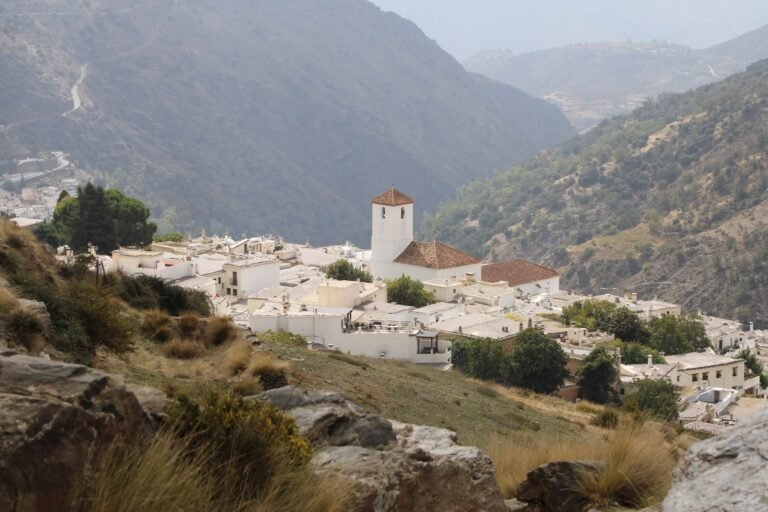
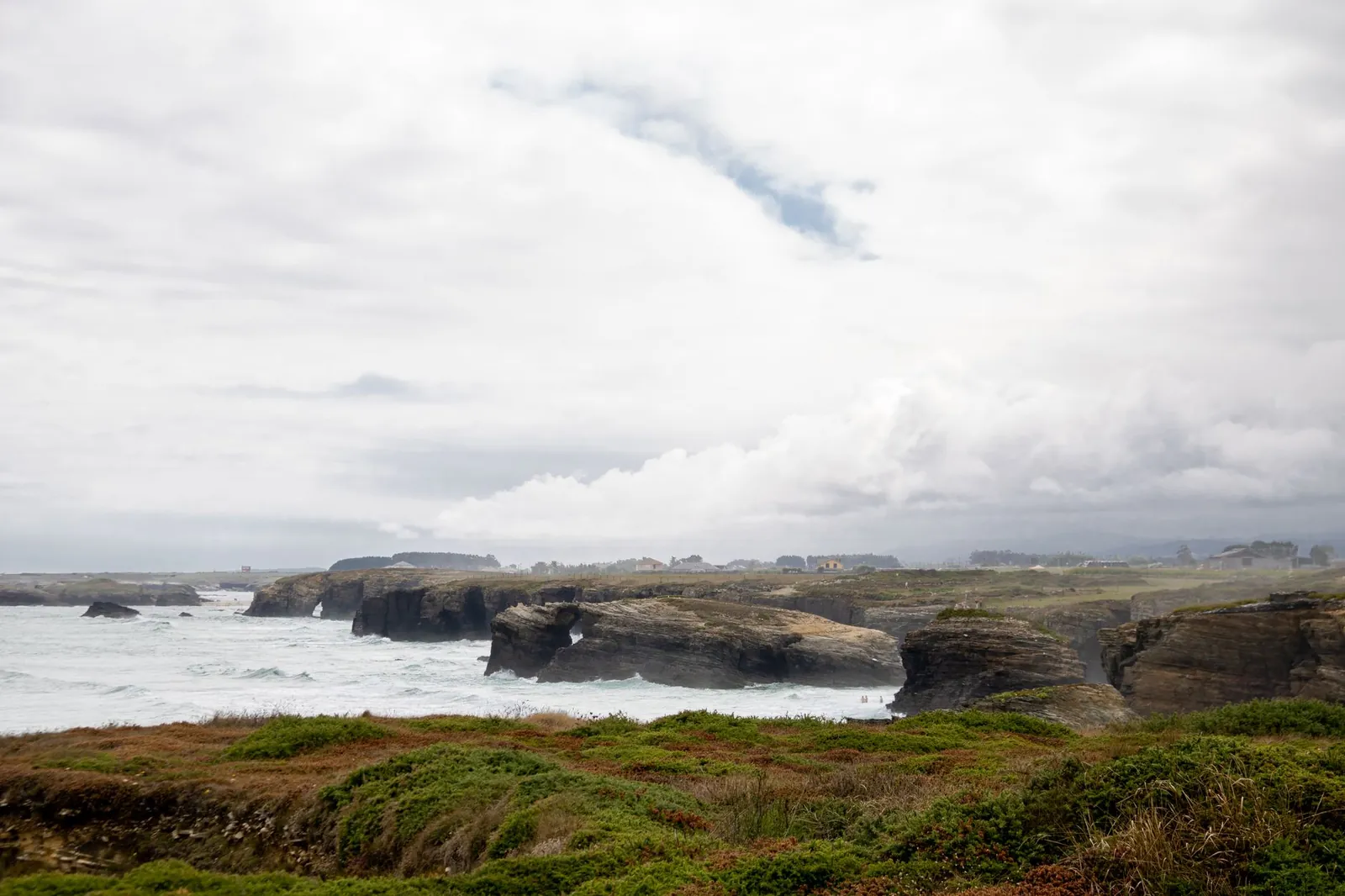
Galicia wild coast exploration awaits those seeking raw beauty.
Some links in this guide are affiliate links — if you book through them we may earn a small commission at no extra cost to you. It never changes what we recommend. Full disclosure.
If you think you know Spain’s coastline, prepare for a revelation, because a Galicia wild coast exploration awaits those seeking raw beauty, a stark contrast to the sun-baked stereotypes of the south. Many visitors envision Spain solely through the lens of golden, Mediterranean beaches and relentless sunshine, a pleasant but incomplete picture. The reality of Galicia’s Atlantic edge is one of dramatic cliffs, untamed waves, ancient lighthouses, and a profound connection to the sea that shapes everything from its rugged landscape to its unique culinary traditions. This guide is your candid insight into experiencing this untamed corner of Spain, revealing the logistics, the flavors, and the awe-inspiring sights you absolutely shouldn’t miss.
Quick Answer: Galicia Wild Coast Exploration
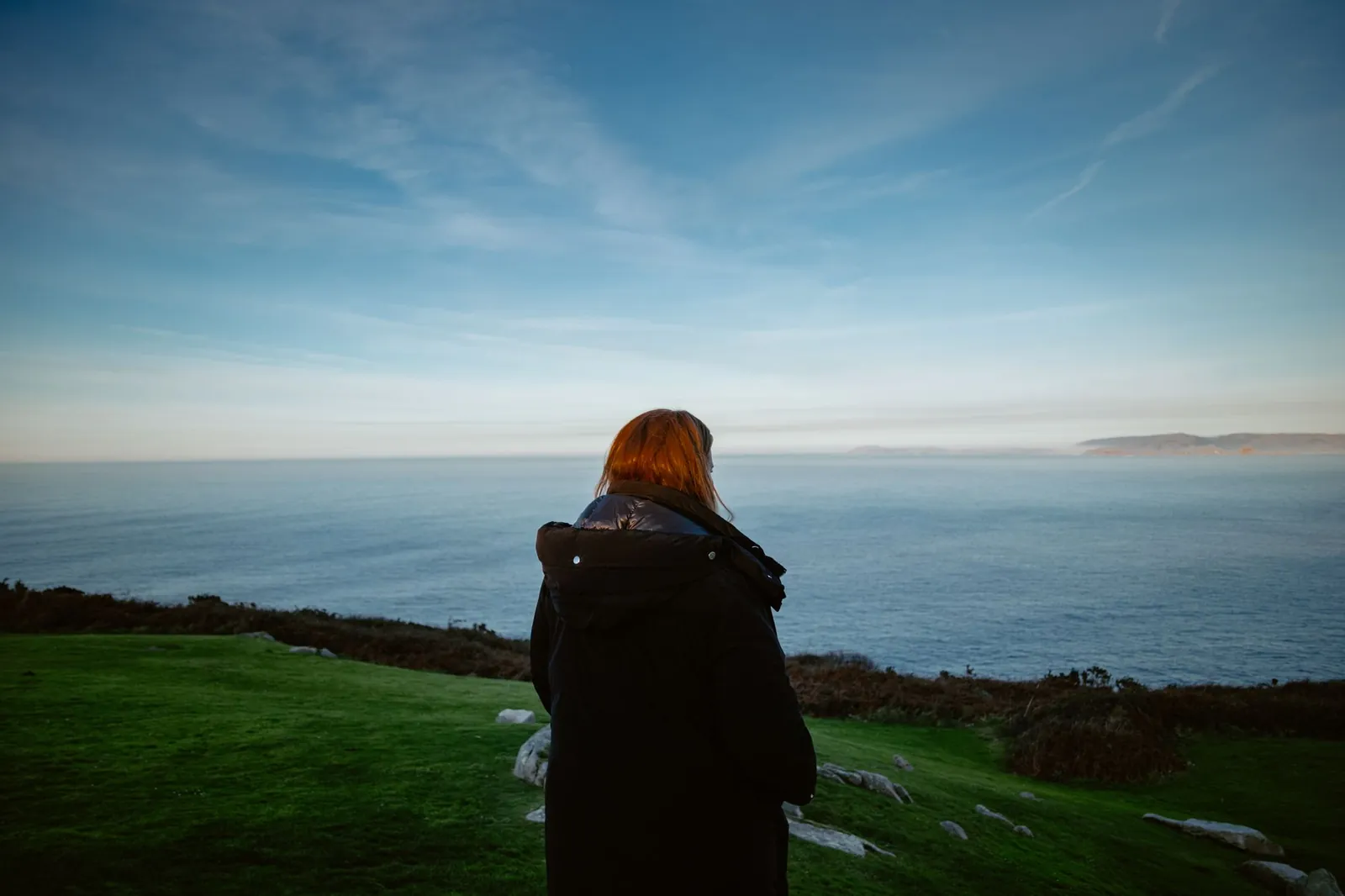
Embarking on a Galicia wild coast exploration means discovering a raw, untamed Atlantic beauty that defies typical Spanish stereotypes, with highlights like the dramatic Costa da Morte, the otherworldly Playa de las Catedrales, and the pristine Islas Cíes. Expect cooler temperatures, frequent mists, and a culinary scene dominated by extraordinary fresh seafood, with average daily costs for a mid-range traveler hovering around €70-€120 per person for accommodation, meals, and basic activities.
Exploring the Untamed Spirit: What Sets Galicia’s Coast Apart
What truly sets Galicia’s coastline apart is its dramatic, untamed character, shaped by the powerful Atlantic Ocean and a distinctive climate that blesses the region with verdant landscapes and a unique cultural identity. This isn’t the Spain of bustling promenades and calm, warm seas; instead, you’ll find ancient fishing villages clinging to cliffs, windswept beaches perfect for contemplation rather than sunbathing, and a deeply rooted maritime heritage that defines the local way of life. The average water temperature along the Galician coast in summer hovers around 18-20°C, making it refreshing but not typically “swimming pool” warm, a key distinction from the Mediterranean.
The geography itself tells a story of constant battle and coexistence with the ocean. The Costa da Morte, or “Coast of Death,” earned its name from the countless shipwrecks caused by its treacherous waters and rocky shorelines. Yet, this very danger has forged a community of resilient seafarers and an unparalleled respect for the sea’s bounty. You’ll encounter dramatic rías—deep, fjord-like estuaries—that carve into the land, creating sheltered harbors and rich fishing grounds. These rías are also crucial for the cultivation of shellfish, an integral part of Galician cuisine. The sheer scale of the landscape here feels ancient and powerful, a world away from the often manicured coastlines found elsewhere.
Beyond the physical landscape, there’s a distinct cultural resonance. Galicia has a strong Celtic heritage, palpable in its traditional music, folklore, and even the architecture of its stone hórreos (granaries) and cruceiros (stone crosses). This connection to a pre-Roman past lends an almost mythical atmosphere to many coastal towns and landmarks. You might find a bagpipe tune drifting through the evening air in a small village, a reminder that this region shares more with Ireland or Scotland than it does with Andalucía. The local language, Galego, is also a constant presence, adding another layer to the region’s identity. To truly appreciate this coast, you have to be ready to embrace its rugged authenticity and its often moody, ethereal beauty.
Even the weather contributes to its distinctive charm. While Spain is generally known for its sun, Galicia experiences more rain and fog, especially outside of high summer. This isn’t a downside, but rather what contributes to the incredibly green landscapes and a certain atmospheric drama. Imagine mist rolling in over ancient lighthouses, or the feeling of wild wind on a secluded beach. It’s an experience that awakens the senses in a different way, offering a chance to connect with nature on a deeper level. For those who appreciate dramatic natural beauty over typical beach resort vibes, this wild coast offers something truly special, a chance to step back in time and witness nature’s raw power. If you are interested in how the climate shapes the experience, you might find more insights into Galicia’s rainy season unique appeal and how it defines the landscape and local customs.
Navigating the Legends: Essential Wild Coast Spots and When to Visit
To truly grasp the essence of Galicia’s wild coast, you need to navigate its legendary sites, particularly the dramatic Costa da Morte, the unique Playa de las Catedrales, and the pristine Islas Cíes, with the best time to visit generally being June or September to balance good weather with fewer crowds. The Costa da Morte stretches for over 200 kilometers, from Malpica de Bergantiños down to Finisterre, offering a tapestry of fishing villages, towering cliffs, and poignant lighthouses.
One of the most iconic spots along the Costa da Morte is Cabo Finisterre (Fisterra), once believed to be the “End of the World.” Standing at its lighthouse, Faro de Fisterra, which dates back to 1853 and stands 17 meters tall, offers panoramic views of the vast Atlantic. It’s a place of quiet reflection, especially at sunset, where ancient pilgrims would burn their clothes after completing the Camino de Santiago. Nearby, the quaint fishing town of Muxía is home to the Sanctuary of A Virxe da Barca, a church built on the rocks that tradition says was visited by the Virgin Mary in a stone boat. These sites are open year-round, with the lighthouse area accessible 24/7, though the visitor center typically operates from 10:00 to 19:00 in peak season.
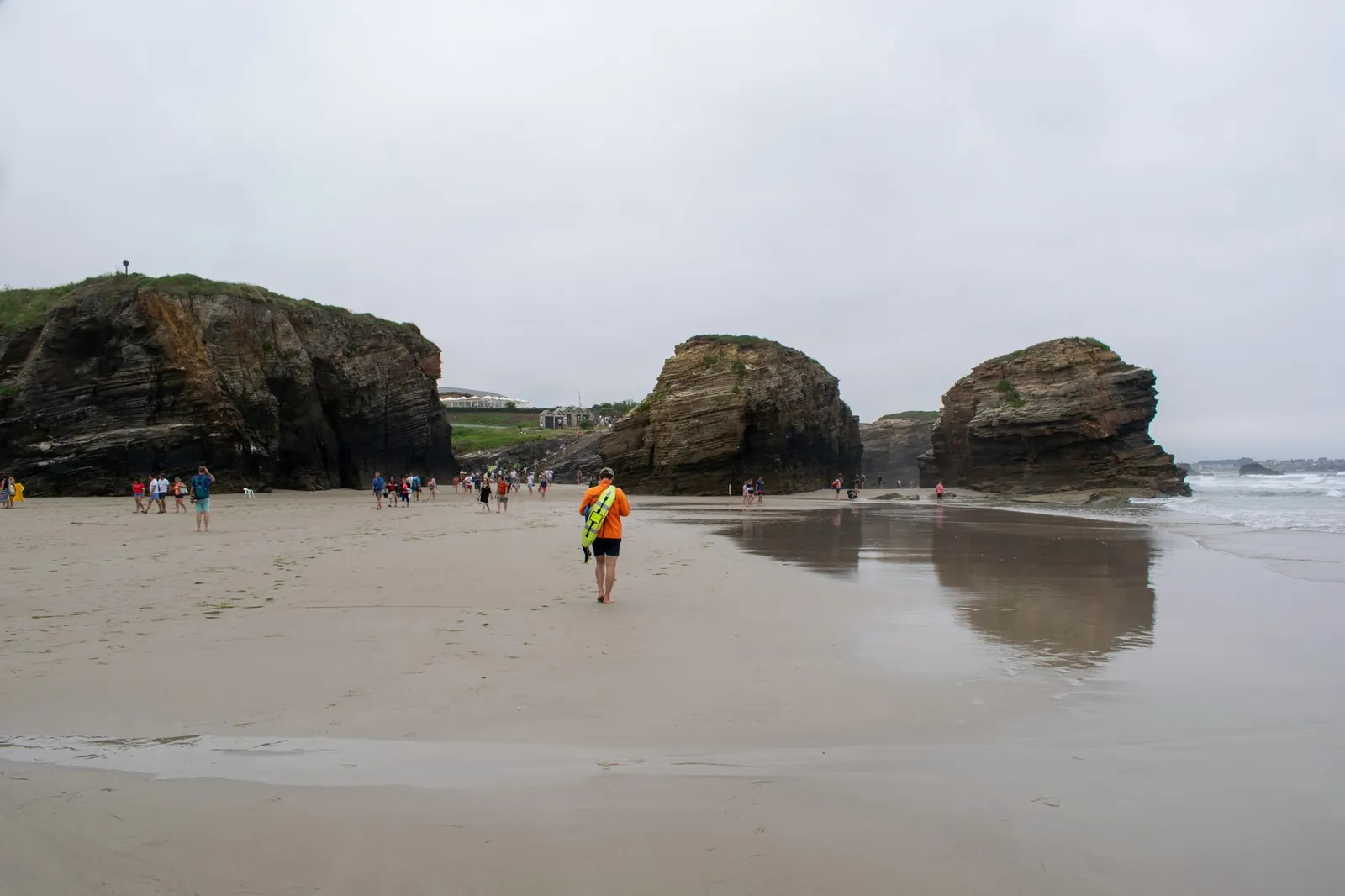
Further north, near Ribadeo, you’ll find the Playa de las Catedrales (Beach of the Cathedrals), officially Praia das Catedrais. This natural monument is famous for its majestic rock formations, arches, and sea caves, carved by the ocean over millennia. Access is tide-dependent; you can only explore the caves and walk beneath the arches at low tide. During high season (July and August, and Easter week), access is restricted to a maximum of 4,800 visitors per day, and you MUST book your free entry permit online in advance via the Xunta de Galicia tourism website. Fail to do so, and you will be turned away. Check the tide tables carefully; the best time to visit is within two hours before or after low tide. Parking costs around €5-€7 for cars during peak season.
Then there are the Islas Cíes, often called the “Galician Caribbean.” These islands, part of the Atlantic Islands of Galicia National Park, boast Rodas Beach, once named the “best beach in the world” by The Guardian. The crystal-clear waters, white sand, and lush pine forests are truly spectacular. Access is strictly controlled to protect the fragile ecosystem, with a maximum of 1,800 visitors per day allowed for camping and 2,200 for day trips during high season (typically June 15th to September 15th). You need to secure an authorization from the Xunta de Galicia website BEFORE buying your ferry tickets. Ferries depart from Vigo, Cangas, and Baiona, with round-trip prices typically €22-€25 per adult. The journey takes about 40 minutes from Vigo. While the water looks tropical, remember it’s still the Atlantic; expect invigorating temperatures!
Key Visitor Tips for Coastal Exploration:
- Footwear: Always wear sturdy, non-slip shoes, especially for exploring rocky areas, lighthouses, and tide pools.
- Layers: The weather can change rapidly, even in summer. Bring layers, including a waterproof jacket.
- Planning: For popular sites like Playa de las Catedrales and Islas Cíes, always check access requirements and book ahead.
- Driving: Many of the most remote and rewarding spots require a car. Roads can be narrow and winding.
- Tides: Always be aware of tide times, especially on beaches with rock formations.
Feasting from the Atlantic: Authentic Galician Seafood Experiences
Feasting from the Atlantic in Galicia isn’t just about eating; it’s an immersive experience in a culinary culture where the sea dictates the menu, with specialties like pulpo a feira, percebes, and a variety of fresh fish taking center stage. The true magic lies in the freshness and simplicity of the ingredients, often caught just hours before they land on your plate. Forget elaborate sauces; Galician cuisine celebrates the pure flavor of the ocean.
The undisputed king of Galician seafood is pulpo a feira, or Galician-style octopus. This dish involves tender boiled octopus, usually cooked in a large copper pot, then sliced and served on a wooden plate with a drizzle of olive oil, coarse sea salt, and a generous dusting of paprika (pimentón). A typical plate, or ración, costs around €12-€18 depending on the portion size and restaurant. Head to a local market or a traditional pulpería (octopus restaurant) in towns like O Carballiño (though inland, it’s famous for its octopus) or Melide for the most authentic experience. Look for places where the octopus is cooked right out front, filling the air with its savory aroma.
For the adventurous palate, percebes (goose barnacles) are a must-try. These extraordinary crustaceans cling to rocks in highly treacherous, wave-battered areas, making them incredibly difficult and dangerous to harvest, hence their high price. They are simply boiled in seawater and served. To eat them, twist and pull the “nail” part from the base, revealing the succulent, briny flesh within. A small plate can cost anywhere from €30 to over €100 per kilogram, making them a luxury, but a truly unique taste of the wild Galician coast. This is a dish to savor, not to fill up on, and it embodies the dangerous labor of the local fishermen.
Beyond these stars, the Galician coast offers an incredible array of other seafood. Look for:
- Zamburiñas: Small, sweet scallops, often grilled with garlic and parsley. A plate usually costs €10-€15.
- Navajas: Razor clams, typically grilled or steamed, served with lemon. Expect to pay €12-€18 for a dozen.
- Berberechos: Cockles, steamed open with a splash of white wine or just water. A delicious appetizer for €8-€12.
- Bogavante y Langosta: Lobster, either grilled, boiled, or in a rich rice dish (arroz con bogavante). Prices vary greatly but expect €40-€70+ per portion for the rice dish or whole lobster.
- Merluza a la Gallega: Hake, usually steamed or baked, served with boiled potatoes, a drizzle of olive oil, and sautéed garlic and paprika. A comforting and common main dish for €15-€25.
To ensure you’re getting the freshest possible seafood, visit a local fish market (lonja or mercado de abastos) in towns like Muros, Cambados, or Ribeira in the mornings. You can see the day’s catch, often still wriggling, and truly understand the direct connection between the sea and the table. Many restaurants are located right next to these markets, sourcing their ingredients directly. When choosing a restaurant, don’t be afraid to ask to see the fresh catch of the day, which is often displayed on ice. A simple, bustling tavern (taberna) or a more upscale seafood restaurant (marisquería) will both offer incredible flavors, but the local, no-frills spots often deliver the most authentic experience. This is a place where you truly eat with the seasons and the tides.
Practicalities for Your Coastal Journey: Getting Around and Staying Awhile
Successfully navigating the Galicia wild coast requires practical planning, particularly regarding transportation and accommodation, with renting a car being the most efficient way to explore remote areas and booking accommodation in smaller towns well in advance during peak season. While public transport connects major cities like Santiago de Compostela, A Coruña, and Vigo, reaching the wilder, more dramatic coastal sections and smaller villages often demands your own wheels.
Getting Around
Car Rental: Renting a car is undeniably the best option for a comprehensive coastal exploration. It offers the freedom to stop at scenic viewpoints, explore secluded beaches, and reach remote lighthouses at your own pace.
- Cost: Expect to pay €30-€60 per day for a compact car, depending on the season and booking lead time. Fuel (gasolina) currently hovers around €1.60-€1.75 per liter.
- Driving Conditions: Roads along the coast range from modern highways to narrow, winding country lanes. Be prepared for fog, especially in the mornings or evenings. Parking can be challenging in small village centers, but usually available just outside.
- Navigation: Google Maps or Waze work well, but it’s wise to have an offline map downloaded for areas with patchy signal.
Public Transport:
While buses (operated by companies like Monbus or Arriva) connect major towns and some larger coastal villages, they often have infrequent schedules, especially on weekends or outside of summer. A bus from Santiago de Compostela to Fisterra might take around 2.5-3 hours and cost approximately €10-€15 one way. Relying solely on public transport will significantly limit your ability to explore the more untamed and scenic areas between towns. For example, reaching the specific viewpoint of Cabo Vilán near Camariñas would be extremely difficult without a car.
Accommodation
Galicia offers a range of accommodation options, from likeable boutique hotels to traditional rural guesthouses (casas rurales) and simple pensions. Booking in advance is always wise, especially for July and August, when demand is highest.
- Santiago de Compostela: As the major hub, it offers the widest range of hotels. Consider staying here as a base for day trips or at the start/end of your journey. Compare hotel prices in Santiago de Compostela to find options that suit your budget.
- Coastal Towns: Smaller towns like Muros, Fisterra, or Viveiro offer quaint guesthouses and hotels directly on the coast. Prices for a double room in a mid-range hotel or guesthouse generally range from €60-€120 per night. Look for places with ocean views for a truly immersive experience.
- Casas Rurales: For a more authentic experience, consider a rural guesthouse inland or slightly off the main coast. These often offer homemade breakfasts and a chance to connect with local culture. Prices are similar to coastal hotels.
- Camping: Several well-equipped campsites are available along the coast, especially popular during summer. Expect to pay €25-€40 per night for a pitch for two people and a car.
A note on Booking: Many smaller establishments might not be listed on major international booking platforms. Sometimes a quick search on local Spanish tourism sites or even a direct call can yield unique options. Always confirm booking details and check cancellation policies.
Budgeting for the Wild: What to Expect for Your Exploration
Budgeting for a Galicia wild coast exploration means understanding that while it can be more affordable than some of Spain’s high-traffic tourist zones, certain experiences, particularly the exceptional seafood, come with a justifiable price tag. A realistic daily budget for a comfortable mid-range trip, including accommodation, meals, activities, and transport, typically ranges from €100 to €180 per person.
Let’s break down the costs:
| Category | Budget Option (per person/day) | Mid-Range Option (per person/day) | High-End Option (per person/day) |
|---|---|---|---|
| Accommodation | €30-€50 (Hostel/Pension) | €60-€100 (3-star hotel/Guesthouse) | €120-€250+ (Boutique hotel/Parador) |
| Food & Drinks | €25-€40 (Market/Cafés/Picnics) | €40-€70 (Local restaurants/1 nice seafood meal) | €70-€150+ (Fine dining/Luxury seafood) |
| Transportation (Car Rental + Fuel share) | €20-€30 (Shared car/Small car) | €30-€45 (Mid-size car) | €45-€70 (Premium car/Private transfer) |
| Activities & Entrance Fees | €5-€10 (Hiking/Free sites) | €15-€30 (Ferry to Cíes/Guided tour) | €30-€60+ (Specialized tours/Guided excursions from Santiago de Compostela) |
| Miscellaneous | €5-€10 (Souvenirs/Coffee) | €10-€20 | €20-€40+ |
| Total Daily Estimate | €85-€140 | €155-€265 | €295-€570+ |
Saving Money Tips:
- Eat the Menu del Día: For lunch, many restaurants offer a “Menu del Día” (daily menu) for around €12-€18. This typically includes a starter, main course, bread, and dessert or coffee. It’s excellent value and a chance to try local dishes.
- Picnics: With so much natural beauty, packing a picnic from a local market is a wonderful and cost-effective option. Grab some local cheese, bread, cured meats, and fresh fruit.
- Coffee & Breakfast: A typical Spanish breakfast (coffee and toast or pastry) in a local café costs €3-€5. Avoid hotel breakfasts if they are extra and expensive.
- Travel Off-Season: Visiting in May, June, or September can significantly reduce accommodation and car rental costs, while still offering pleasant weather. July and August are the most expensive times to visit.
- Consider your Seafood Splurges: While percebes are an experience, they are a significant splurge. Balance these with more budget-friendly options like pulpo a feira or merluza.
Remember that Galicia is generally a cash-friendly region, especially in smaller towns and family-run establishments, so having some euros on hand is always a good idea. While card payments are widespread, some places may have minimums or prefer cash. ATMs are readily available in towns, but less so in remote villages.
Common Questions About Galicia Coast Journey
Is Galicia’s wild coast suitable for families with young children?
Yes, Galicia’s wild coast can be a fantastic destination for families, especially those who appreciate nature and outdoor activities. Many beaches, like those in the Rías Baixas, offer calmer waters, and the region provides ample opportunities for exploring lighthouses, easy hikes, and unique cultural experiences. However, be mindful that some rugged paths or cliff edges may not be suitable for very young children or strollers, and the Atlantic water can be chilly for swimming.
What’s the best way to experience the local culture beyond the main sights?
To experience the local culture, immerse yourself in daily life by visiting local markets (mercados de abastos), attending a small village festival if your dates align, or simply spending time in a local café or tavern. Engaging with locals, even with basic Spanish or a translation app, can lead to unexpected recommendations and genuine interactions. Consider staying in a casa rural to get a feel for rural Galician life.
Do I need to speak Spanish to travel along the Galician coast?
While Spanish is the national language and Galego is widely spoken, you can manage without fluent Spanish, especially in larger towns and tourist-focused areas where English is more common. However, knowing basic phrases like “Hola” (hello), “Gracias” (thank you), “Por favor” (please), and “La cuenta, por favor” (the bill, please) will significantly enhance your interactions and be greatly appreciated by locals, particularly in smaller villages.
How many days should I allocate for a thorough exploration of the wild coast?
For a thorough and relaxed exploration that allows you to truly soak in the atmosphere and visit key sites without feeling rushed, you should allocate at least 5-7 days for the Galicia wild coast. This duration allows for a flexible itinerary, covering different sections like the Costa da Morte, the Rías, and perhaps a day trip to the Islas Cíes, with time to savor the local cuisine and enjoy the natural beauty. A shorter trip (3-4 days) is possible but will require more selective planning.
Stepping onto Galicia’s wild coast is to step into a different Spain, one defined by the powerful Atlantic, ancient traditions, and a raw, untamed beauty that truly captures the soul. This journey is for those who seek to connect with nature, savor incredible flavors directly from the sea, and embrace a culture deeply rooted in its unique heritage. While the planning requires a bit more intentionality than a typical beach holiday, the rewards of these dramatic landscapes and authentic experiences are immeasurable, leaving you with memories that feel genuinely Spanish. If you are captivated by Spain’s diverse landscapes and regional identities, exploring Galicia’s green villages journey offers another facet of this incredible region.
About the Author
After 15 years living and traveling across Spain, Caro knows this country in a way most travel writers never will. She’s not here to sell you a polished version of Spain, she’s here to show you the real one. Every guide on this site comes from her own experience: the restaurants she eats at, the routes she walks, the festivals she’s actually attended. She writes to cut through the noise and give you what actually matters. Learn more about Caro →