The Andalusia olive harvest experience calls you home
Some links in this guide are affiliate links — if you book through them we may earn a small commission at no extra cost to you. It never changes what we recommend. Full disclosure.
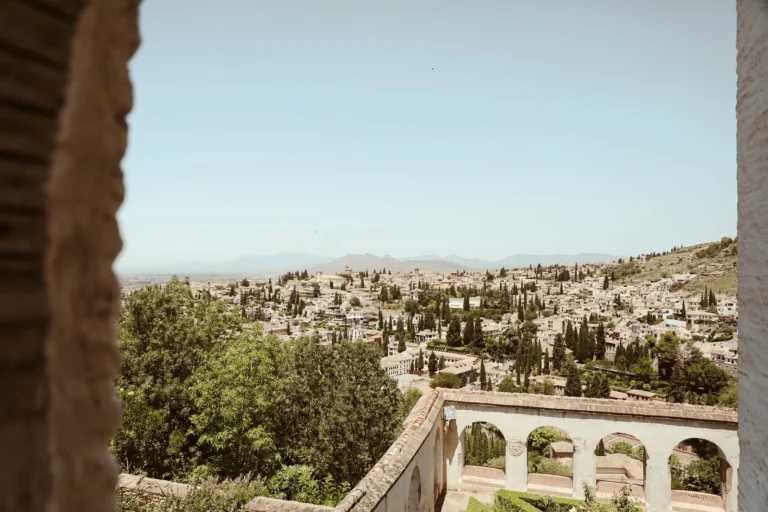
Many visitors picture Andalusia as endless beaches, the grand architecture of Seville, or the passionate spirit of Granada. While those elements are undeniably part of its appeal, the true, beating heart of this region often goes unnoticed, lying quietly among ancient groves. The true soul of Andalusia reveals itself not in the popular coastal resorts, but in the vast, silvery-green landscape that defines its economy and culture: the olive tree. Experiencing the andalusia olive harvest experience offers a profoundly different look at Spain, pulling back the curtain on a tradition that has shaped lives here for millennia and connecting you directly to the land.
Quick Answer: The Andalusia Olive Harvest
The olive harvest in Andalusia is a seasonal immersion into Spain’s agricultural heartland, primarily from October to February, offering unique cultural and culinary experiences focused on olive oil production and the deeply rooted traditions surrounding it. Time it right and you can catch the tail end of the harvest alongside the Axarquía almond blossom season in late winter.
When and Where to Experience the Harvest
If you’re looking to dive into the olive harvest, timing and location are crucial. The harvest season in Andalusia generally runs from late October through February, but the exact window depends on the specific olive variety, the desired ripeness (green for intense oil, black for milder), and annual weather patterns. Early harvest, often in October and November, focuses on olives that yield green, fruity, and more pungent extra virgin olive oils. Later in the season, December and January, the olives are riper, producing softer, more buttery oils.
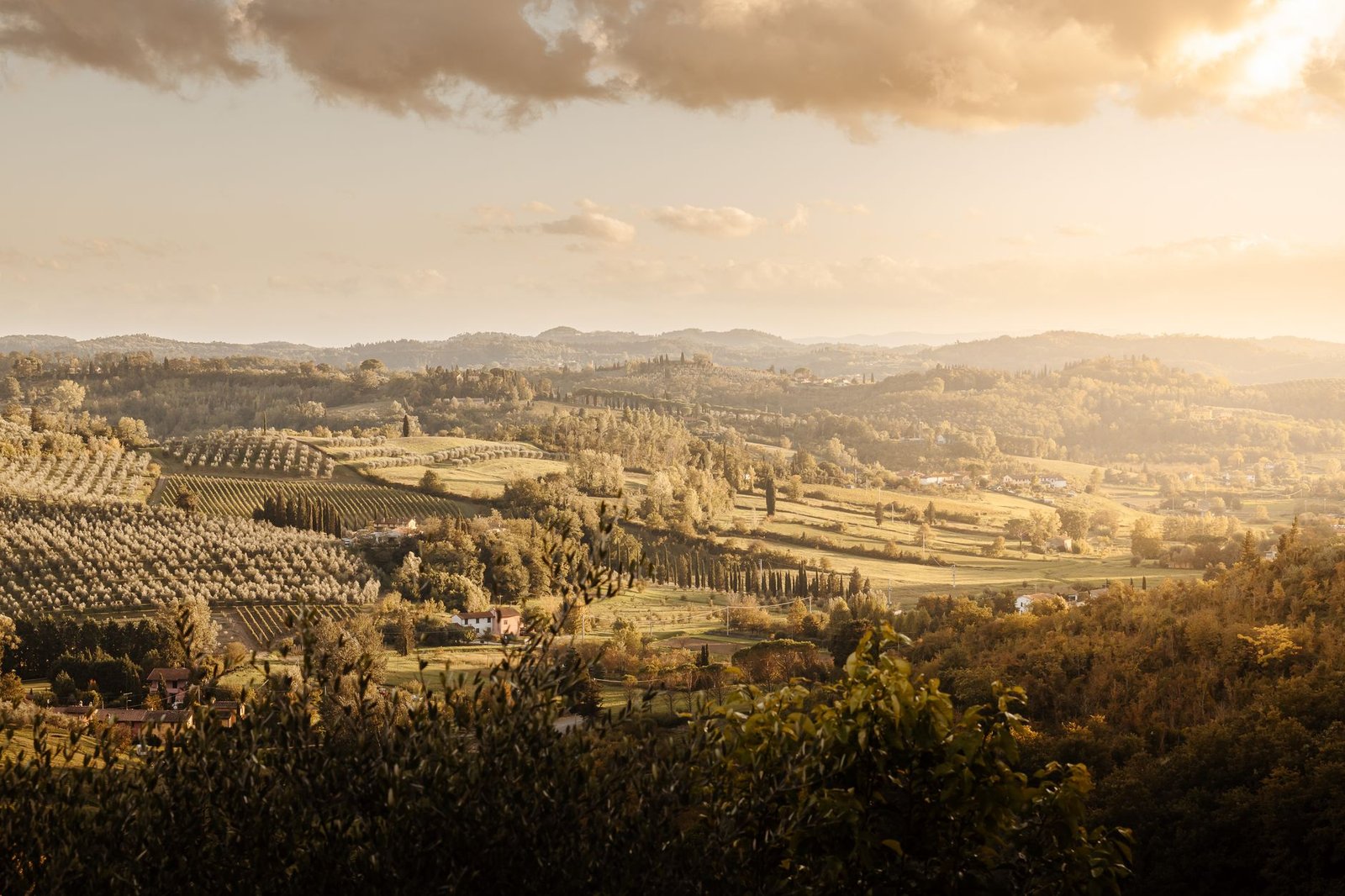
The undisputed capital of olive oil production in Spain, and indeed the world, is Jaén province. This area is literally a “sea of olives,” with more olive trees than anywhere else on earth. When you fly into Málaga or Granada and drive north towards Jaén, the landscape transforms before your eyes. Rolling hills covered in neat rows of olive trees stretch as far as the eye can see, creating a unique, almost surreal environment. It’s a landscape sculpted by generations of olive cultivation, and it’s here that you’ll find the most authentic and numerous harvest experiences.
Specific towns in Jaén province that are central to the olive oil industry and often host activities include:
- Úbeda and Baeza: These UNESCO World Heritage cities are known for their Renaissance architecture, but they are also surrounded by vast olive groves. You can combine cultural exploration with harvest activities.
- Martos: Often called the “Capital of the Olive Grove,” Martos is a significant production hub. It’s less touristy than Úbeda or Baeza, offering a more direct, working-town feel.
- Alcaudete: Another town in the heart of the olive region, with a strong agricultural presence and local producers.
- Priego de Córdoba (Córdoba Province): While not in Jaén, this town in the neighboring province of Córdoba is also celebrated for its high-quality olive oil, particularly the ‘Picudo’ variety. It’s a strong contender for an excellent experience.
For the best experience, aim for November or early December. This is when the early, “green gold” harvest is in full swing, offering the most intense flavors and typically more active participation options before the colder winter months set in. Be prepared for cooler temperatures during this period, especially in the mornings and evenings in Jaén, where elevations are higher than on the coast. Day temperatures might be a comfortable 15-20°C, but nights can drop to 5-10°C.
Getting Involved: Tours and Experiences
You have a few options for experiencing the olive harvest, ranging from casual observation to hands-on participation. Most agrotourism offerings require advance booking, especially for the more sought-after periods, as these are often family-run operations with limited capacity.
Olive Mill Tours (Visitas a Almazaras): This is the most common and accessible way to see the harvest in action. Mills are incredibly busy during these months, running almost constantly. Many open their doors for tours and tastings. A typical tour lasts 1.5 to 2 hours and usually includes:
- An explanation of the olive oil production process, from reception of the olives to pressing and storage.
- A walk through the facilities, observing the machinery in action.
- A guided tasting (cata de aceite) of different types of extra virgin olive oil. This isn’t just a sampling; it’s a lesson on how to properly taste and identify quality oil, noting its bitterness, fruitiness, and pungency.
- Opportunity to purchase olive oil directly from the producer.
Costs for these tours vary but expect to pay around €15-€30 per person for a good quality tour with a comprehensive tasting. For example, Molino del Genil in Úbeda offers tours for €20 per person, available mornings at 10:00 and afternoons at 16:00, Monday to Friday during harvest season, with bookings essential via their website or phone. Another excellent option is Oro Bailén, near Villanueva de la Reina, which charges €25 for a guided tour and tasting, with specific slots on Tuesdays and Thursdays at 10:30.
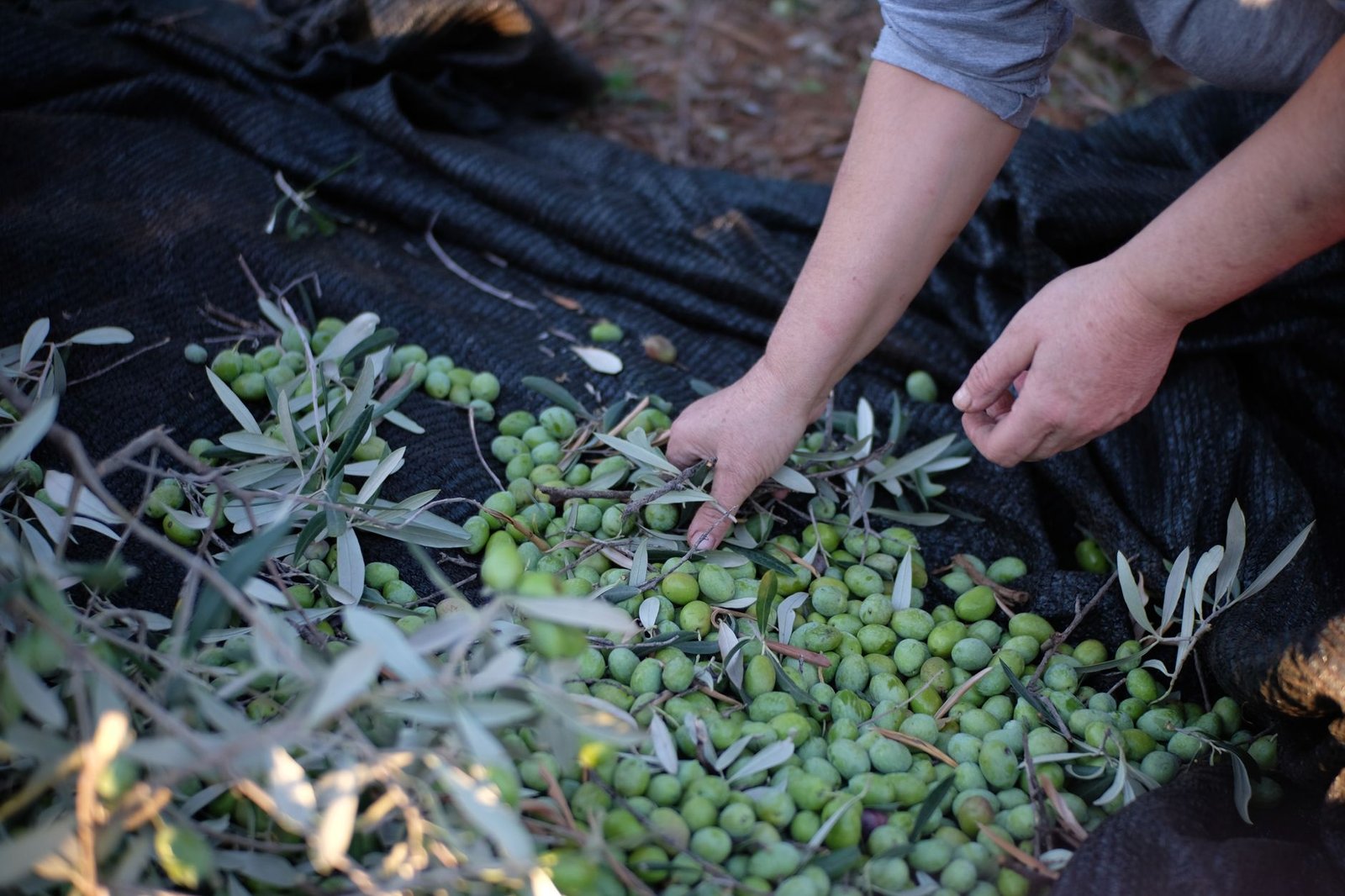
Hands-On Harvest Experiences: Some larger estates or specialized agrotourism providers offer the chance to actually participate in the picking. These are generally full-day programs and are more physically demanding. You might spend a few hours in the olive grove, learning traditional picking methods like vareo (beating branches with a long pole to dislodge olives) or using small handheld rakes to gather olives into nets spread beneath the trees. Following the picking, you’ll typically transport your olives to the mill and observe the pressing process. These experiences often include a traditional Andalusian lunch, perhaps with local dishes cooked with fresh olive oil, and sometimes even a small bottle of the oil produced from the day’s harvest.
These immersive experiences are less common and more expensive, ranging from €80 to €150 per person for a full day. Finca La Pontezuela, near Baeza, sometimes offers such experiences during specific weekends in November, but these are often part of larger packages and require direct inquiry and early booking. Be aware that such direct participation is not always available and depends heavily on the farm’s operational needs that year. If you are keen on this, contacting rural guesthouses (casas rurales) in Jaén province might yield leads, as some family-run places occasionally involve guests, but this is less a formal tour and more an informal invitation. You can also book a guided tour on Viator to find structured options.
Olive Oil Museums and Interpretation Centers: If your visit falls outside peak harvest or you prefer a more educational approach, several museums offer insight into the history and culture of olive oil. The Museo de la Cultura del Olivo in Baeza, housed in a former olive mill, is an excellent resource. It details the history, techniques, and cultural significance of olive oil in Andalusia. Entry is typically around €5-€7, and it operates standard museum hours, usually 10:00-14:00 and 16:00-18:00 (closed Mondays).
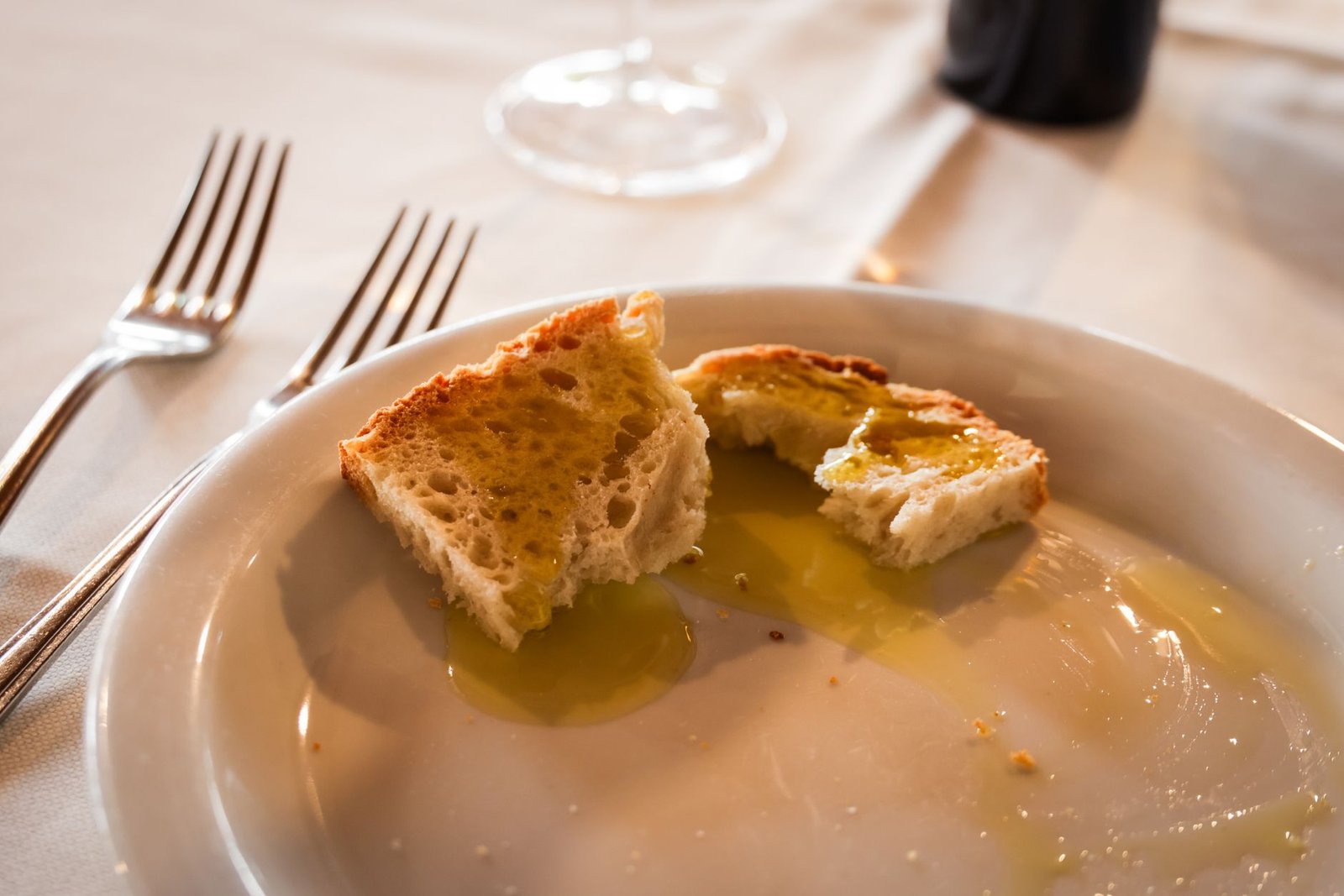
The Process: From Tree to Oil
Understanding the process from tree to oil deepens your appreciation for this staple product. The journey of an olive from branch to bottle is a blend of ancient tradition and modern technology, all aimed at extracting the highest quality extra virgin olive oil. It is a meticulous process, especially for the premium oils Andalusia is known for.
The harvest begins with the careful collection of olives. Historically, and still in some smaller groves or for specific high-quality yields, olives are picked by hand. This labor-intensive method ensures no damage to the fruit, which is crucial for preventing oxidation and maintaining oil quality. More commonly, mechanical methods are used, such as large shakers that grab the tree trunk and vibrate it, causing olives to fall onto nets spread below. Another method, vareo, involves workers gently beating the branches with long poles, which dislodges the olives without severely harming the trees or fruit. The olives are then quickly gathered into baskets or crates.
Speed is essential after picking. Olives must be transported to the mill (almazara) as quickly as possible, ideally within a few hours, to prevent fermentation or deterioration. At the mill, the olives are first cleaned, removing leaves, twigs, and dirt. They are then washed thoroughly with water.
The next step is crushing. Traditional stone mills used to grind the olives into a paste, but modern mills typically use stainless steel hammer mills or disc crushers. This process breaks down the olive cells, releasing the oil. The resulting olive paste, which includes the pits, flesh, and skin, is then slowly mixed (a process called batido or malaxation). This mixing helps the small oil droplets coalesce, making the oil easier to extract.
Finally, the oil is separated from the paste. In older mills, this involved pressing the paste using hydraulic presses and mats. Today, most mills use a continuous centrifugal system. The paste is spun at high speeds, separating the oil from the water and solid matter due to their different densities. The freshly extracted oil, sometimes still cloudy, is then stored in stainless steel tanks, often in temperature-controlled environments, to allow any remaining solids to settle before it is filtered and bottled. This rapid and efficient process is what preserves the delicate flavors and beneficial properties of extra virgin olive oil.
Here’s a simple breakdown of the typical harvest day activities for a participating visitor:
| Time | Activity | Duration | Expected Physical Effort |
|---|---|---|---|
| 08:30 – 09:00 | Arrival & Welcome Coffee | 30 min | Low |
| 09:00 – 12:30 | Olive Picking (Vareo or Rakes) | 3.5 hrs | Moderate to High |
| 12:30 – 13:30 | Transport Olives to Mill | 1 hr | Low to Moderate |
| 13:30 – 15:00 | Traditional Andalusian Lunch | 1.5 hrs | Low |
| 15:00 – 16:30 | Mill Tour & Oil Pressing Observation | 1.5 hrs | Low |
| 16:30 – 17:00 | Olive Oil Tasting & Departure | 30 min | Low |
Remember, the goal is always to process the olives with minimal delay and at low temperatures to ensure the final product is extra virgin olive oil – oil with exceptional quality and health benefits.
Beyond the Olives: What Else to Do in Olive Country
While the olive harvest might be your primary reason for visiting, the olive-producing regions of Andalusia, particularly Jaén, offer plenty to explore. These areas often get overlooked by tourists speeding between the major cities, which is precisely why you should slow down and discover them. This is the real, everyday Spain, away from the coastal crowds and international tourist circuits.
First, dedicate time to the aforementioned Renaissance towns of Úbeda and Baeza. Their historical centers are extraordinary, filled with palaces, churches, and squares that speak of a rich past. A stroll through their streets feels like stepping back in time, and you’ll encounter a quiet dignity that’s hard to find in more frequented destinations. The Vázquez de Molina Square in Úbeda, with its stunning collection of buildings like the Salvador Chapel, is a must-see. In Baeza, don’t miss the cathedral and the Old University. You won’t find the hustle and bustle of Seville here, but a refined, authentic Spanish elegance. Just be prepared that outside of peak season, some of the smaller shops or cafes might have limited hours, especially on Sundays.
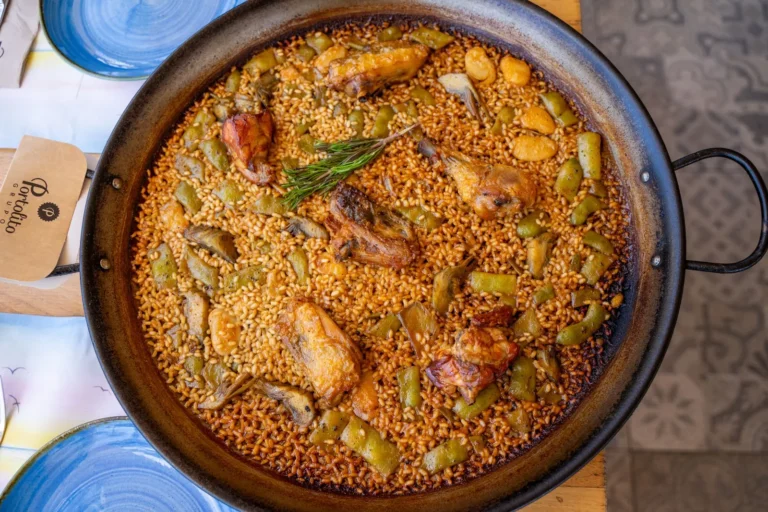
The gastronomy of Jaén is, predictably, heavily influenced by olive oil, but it goes beyond simple salads. Look for dishes like ajilimójili (a cold tomato and pepper soup), espinacas a la jiennense (spinach Jaén-style), and various stews incorporating local produce and olive oil. Many local restaurants, especially in the smaller towns, serve hearty, traditional meals at very reasonable prices. A full menú del día, often including two courses, bread, and a small dessert, might cost you around €12-€18.
If you have more time, consider exploring the Sierra de Cazorla, Segura y Las Villas Natural Park, one of the largest protected areas in Spain. It’s a short drive from much of Jaén’s olive country and offers dramatic mountain landscapes, hiking trails for all levels, and opportunities for spotting wildlife. Think eagles, deer, and even wild boars. The scenery here provides a stark contrast to the olive groves, reminding you of Andalusia’s diverse topography. While it may not offer activities like Sacromonte Cave Flamenco in Granada, it presents its own form of natural beauty and cultural depth.
For those interested in handicrafts, the nearby town of Ubrique Leather Craft Workshops, while a bit of a drive towards Cádiz, shows another facet of Andalusian artisanal skill. While you won’t find leather workshops directly in Jaén, the pride in skilled craft is a shared trait across Andalusia. Additionally, the region around Jaén is dotted with castles and fortresses, remnants of its Moorish and Reconquista past. The Castillo de Santa Catalina overlooking Jaén city itself is an impressive example, offering panoramic views of the olive sea. The small towns like Arcos De La Frontera Sunset Views also highlight the unique beauty of Andalusia’s White Villages, which are further south but share a similar historical context with many of Jaén’s towns. Though Arcos is in Cádiz, it offers a glimpse into a similar historical feel present across Andalusia.
This region might not offer the same kind of energetic nightlife as Seville or Málaga, but it offers something deeper: a genuine connection to Spanish agricultural life, its history, and a slower pace that allows for true appreciation.
Practicalities for Your Harvest Visit
Planning your visit to the olive country requires a few practical considerations to make your experience smooth and enjoyable. This isn’t a region geared solely towards mass tourism, so independent planning is key.
Transportation: A car is essential. While Jaén city is reachable by train or bus from major hubs like Madrid or Seville, getting to the smaller towns and olive groves effectively requires your own vehicle. Public transport between smaller towns is infrequent and doesn’t reach the mills or groves. Renting a car from Málaga (AGP) or Granada (GRX) airport is the most practical option. Expect to pay around €30-€50 per day for a compact car, depending on the season and how far in advance you book. Roads are generally well-maintained and easy to navigate.
Accommodation: You have several choices, from hotels in Úbeda or Baeza to rural guesthouses (casas rurales) or farm stays (agroturismos) closer to the olive groves. In Úbeda or Baeza, you can find pleasant hotels for €60-€100 per night. For a more authentic experience, consider a casa rural in a smaller village like Cazorla or La Iruela, which might offer rooms for €45-€80. Some larger olive estates also have guesthouses where you can stay directly on the farm, sometimes with harvest activities included. It’s advisable to compare hotel prices on Booking.com and book well in advance, especially if you plan to visit during peak harvest months (November/December).
What to Wear and Bring:
- Layers: Mornings can be cool, especially in the olive groves, but midday sun can warm things up. Dress in layers that you can easily add or remove.
- Comfortable, Closed-Toe Shoes: Essential if you plan any walking in the groves or around mill floors. The ground can be uneven, muddy, or dusty. Leave your sandals or open-toed shoes for the city.
- Old Clothes: If you’re doing a hands-on harvest, your clothes will get dirty from olives, leaves, and dust. Don’t wear your best outfit.
- Sun Protection: Even in autumn and winter, the Spanish sun can be strong. A hat, sunglasses, and sunscreen are always a good idea.
- Water Bottle: Stay hydrated, especially if you’re active.
- Camera: You’ll want to capture the unique landscape and the process.
Language: While major tourist areas often have English speakers, in rural Jaén, Spanish is predominantly spoken. Learning a few basic phrases will go a long way. Many tour operators will have English-speaking guides if pre-arranged, but don’t expect it everywhere. Google Translate can be a lifesaver for menus or casual conversations.
Downsides to Consider: The olive harvest is a working period, not a staged tourist attraction. Mills can be noisy, busy, and sometimes a little messy. The work in the groves, if you participate, is physically demanding. Also, outside of the specific tours, English information might be limited. The towns, while beautiful, can be very quiet in the evenings, especially outside of weekends, so don’t expect a bustling nightlife.
Embrace the practicalities. This isn’t a polished, theme-park experience. It’s genuine, real life in rural Spain, and that’s precisely what makes it so rewarding.
FAQ: The Andalusia olive harvest experience calls you home — Common Questions
When is the absolute best time to visit for the olive harvest?
The best time to visit for the Andalusia olive harvest is generally from mid-November to early December. This period offers the optimal chance to witness or participate in the early harvest of green olives, which are prized for their intense flavors, and to see the olive mills operating at full capacity.
Can I truly participate in picking olives, or is it mostly observation?
Most readily available tours are focused on observation and olive oil tasting at the mills. However, some specialized agrotourism providers or rural farm stays do offer hands-on participation in olive picking. These experiences are less common, require advance booking, and are often more physically demanding, typically costing between €80-€150 for a full day including lunch.
What should I wear and bring for a hands-on olive harvest experience?
For a hands-on harvest, wear comfortable, old clothes that you don’t mind getting dirty, as you’ll be among trees and dust. Sturdy, closed-toe shoes or boots are essential. Bring layers for temperature changes, a hat, sunscreen, sunglasses, and a water bottle to stay hydrated during physical activity.
How much does a typical olive oil tasting (cata de aceite) cost?
A typical olive oil tasting at an almazara (mill) or specialized center usually costs between €15 and €30 per person. This often includes a guided tour of the facilities and an educational session on how to properly taste and evaluate different extra virgin olive oils, along with the opportunity to purchase direct from the producer.
Stepping into the olive groves of Andalusia during harvest season is an opportunity to connect with a foundational part of Spain’s identity. It’s an invitation to understand where the “liquid gold” that graces tables worldwide truly comes from, to feel the rhythm of the land, and to witness a tradition that has sustained communities for generations. This experience is about embracing a different pace, appreciating honest labor, and savoring the profound connection between culture and agriculture. If you’re looking for more authentic insights into Spanish life beyond the usual paths, make sure to check out our other articles on the Blog for deeper dives into Spain’s diverse experiences.
About the Author
After 15 years living and traveling across Spain, Caro knows this country in a way most travel writers never will. She’s not here to sell you a polished version of Spain, she’s here to show you the real one. Every guide on this site comes from her own experience: the restaurants she eats at, the routes she walks, the festivals she’s actually attended. She writes to cut through the noise and give you what actually matters. Learn more about Caro →